Martial arts is more than a set of fighting skills. It’s a way of life, a path to self-improvement, and sometimes, a serious workout for both body and mind. There are some legendary names who’ve managed to carve out their own mark in martial arts history. Some brought their knowledge to movie screens, while others changed the way people around the world view personal discipline, fitness, and even cinema itself. If you’re interested in the people who really left their stamp on martial arts, here’s a look at famous martial artists who shaped history and why they’re still talked about today.
The Roots of Modern Martial Arts Legends
Modern martial arts owes a lot to deep Asian traditions, with roots in centuries-old combat techniques like kung fu, karate, taekwondo, and judo. The 1900s marked a new phase. Martial arts started spreading into Western pop culture through demonstration teams, organized competitions, and plenty of action-packed films. Around this time, some martial artists became global stars, bringing not just the art but its philosophy to millions of fans across the globe.
The influence of these figures wasn’t limited to their own style. They connected different cultures, pushed for fresh approaches, and inspired generations to pick up martial arts for fitness, competition, and personal growth. Martial arts movies especially helped bust stereotypes and open up interest in ways of movement, meditation, and even fashion. Martial arts also found their way into other aspects of daily life, including self-defense workshops for schools and community centers, further spreading the influence of legendary practitioners beyond dojos and movie screens.
Big Names Who Changed the Game
I want to point out five martial artists who really helped shape both the history and future of martial arts. Their stories mix action, philosophy, hard work, and sometimes a surprising sense of humor. Here are the names to know:
- Bruce Lee
- Jackie Chan
- Chuck Norris
- Steven Seagal
- Jean-Claude Van Damme
Bruce Lee: A Force Who Inspired Millions
It’s tough to talk about martial arts legends without mentioning Bruce Lee, a name that’s pretty much legendary all around the world. Born in San Francisco and raised in Hong Kong, Bruce Lee’s unique blend of martial arts styles and his on-screen charisma turned him into a global superstar almost overnight.
Lee developed his own martial arts philosophy. Jeet Kune Do focuses on efficient, practical movement. He loved to combine techniques from kung fu, boxing, fencing, and other disciplines, which was a fresh concept at the time. He believed that staying flexible and learning from every source possible made for a better martial artist.
Beyond the punching and kicking, Bruce Lee broke down barriers for Asian actors in Hollywood and promoted fitness as a lifestyle. Movies like “Enter the Dragon” continue to gain new fans every year, inspiring both seasoned athletes and total beginners to get moving. Lee’s wise words about discipline, mindset, and the importance of expressing yourself honestly might still show up on motivational posters around the world. His legacy lives on in martial arts schools, movies, and plenty of fitness routines globally.
In addition, martial arts enthusiasts have praised Lee’s written work, including his books and articles on philosophy and fitness. His ability to communicate his beliefs in a simple yet powerful way ensured that his teachings would last for generations. Communities still organize Bruce Lee-inspired seminars and workshops, ensuring his influence only grows as time passes.
Jackie Chan: Stunts, Laughter, and Relatable Action
Jackie Chan is another giant in martial arts, known for mixing action and physical humor in ways that just about anyone can appreciate. Growing up in Hong Kong, he trained in Chinese opera schools, where he learned acrobatics, music, drama, and, of course, martial arts. That mix of skills led to a world-famous blend of eye-catching stunts and clever choreography.
Chan’s movies are known for their athleticism and playfulness. Instead of just fighting villains, he flips over tables, climbs walls, and finds inventive, often silly, ways to use props. He does most of his own stunts, which sometimes lands him in the hospital, and he often involves the whole set in a fight, making chairs, ladders, or pretty much anything fair game. Check out “Police Story” or “Drunken Master” if you want to see what I mean.
Jackie Chan helped show the world that martial arts could be lighthearted as much as hard-hitting, and sparked interest in new styles like wushu and stage acrobatics. His influence runs deep with new generations of martial artists and even action-comedy actors. He also regularly gives back, mentoring younger stunt performers and supporting charity work across Asia.
Chuck Norris: America’s Martial Arts Icon
Talk to almost anyone about “toughness,” and the name Chuck Norris will probably come up. Norris made a big splash as an American martial artist and actor, popularizing karate and other combat sports in the U.S. He got his start learning martial arts in the Air Force overseas, and then became a karate champion with a string of national and international titles to his name.
Norris founded his own karate schools, blending what he had learned from different instructors and creating his own martial arts system called Chun Kuk Do. This style brings together striking techniques, self-defense moves, and practical training for real-life encounters.
Pop culture gave Norris a second wave of fame through action films like “Walker, Texas Ranger” and plenty of internet jokes about his rugged persona. Underneath all the hype, he spent decades teaching and promoting respect, self-discipline, and personal development through martial arts. The impact of his tournaments, seminars, and outreach is still felt in community gyms across America and beyond. Up until his death on March 19 at the age of 86, Chuck Norris looked for ways to give back to local communities, supporting fitness programs and self-defense initiatives for youth and adults. His passing left an unmistakable void in the world of martial arts that will be felt for years to come.
Steven Seagal: Aikido in Hollywood
Steven Seagal stood out for bringing aikido, a Japanese martial art that focuses on blending with an opponent’s movements, to Hollywood. Before getting into film, Seagal trained and taught aikido in Japan, becoming one of the very first foreigners to run an aikido dojo over there. His real-world experience set him apart when he started appearing in American action movies during the 1980s.
Seagal’s signature style in films features quick, fluid wrist locks and throws. Movies like “Above the Law” and “Under Siege” showed action scenes that looked totally different from the highflying kung fu or karate. Seagal’s approach to martial arts was much more understated and direct. It focused less on flash and more on ending a fight quickly.
Seagal’s tough-guy persona and dramatic aikido scenes introduced a new martial arts style to mainstream audiences. People started signing up for aikido classes or simply looking for ways to defend themselves with minimal movement. His introduction of genuine aikido into pop culture allowed more folks outside Japan to check out this unique style, and inspired a new wave of practical self-defense approaches in the martial arts world.
Jean-Claude Van Damme: The Muscles from Brussels
Jean-Claude Van Damme grew up in Belgium studying shotokan karate, kickboxing, and ballet—yes, you read that right! That combination gave him crazy flexibility and explosive power, which made his on-screen fight scenes feel both athletic and dramatic. Van Damme started as a tournament competitor and fitness fanatic before making his way to Hollywood.
His films like “Bloodsport,” “Kickboxer,” and “Universal Soldier” featured spinning kicks, splits, and plenty of slow-motion action. Van Damme’s physicality and fighting skills set a new standard for martial arts stars in American movies. He made martial arts approachable, showing that speed, strength, and technique could all work together in harmony.
Beyond his movies, Van Damme has promoted fitness, anti-bullying, and the idea that anyone—regardless of background—can become a martial artist with enough dedication. His legacy is still going strong with younger generations who want to get into kickboxing or mixed martial arts. He frequently makes appearances at martial arts events and encourages people of all ages to stay active and find their own inner fighter.
Tools and Traditions Behind the Masters
Each of these martial artists trained using a mix of traditional techniques and modern methods. A few tools you’ll see often in their routines (and in martial arts schools everywhere) include:
- Pads and Mitts: Useful for practicing precision and building striking speed.
- Wooden Dummies: Used for conditioning and refining technique, especially in kung fu and wing chun.
- Focus on Flexibility: Many of these legends put serious time into stretching routines, splits, and acrobatics. Sometimes, flexibility training is as important as the fighting itself, especially for preventing injuries.
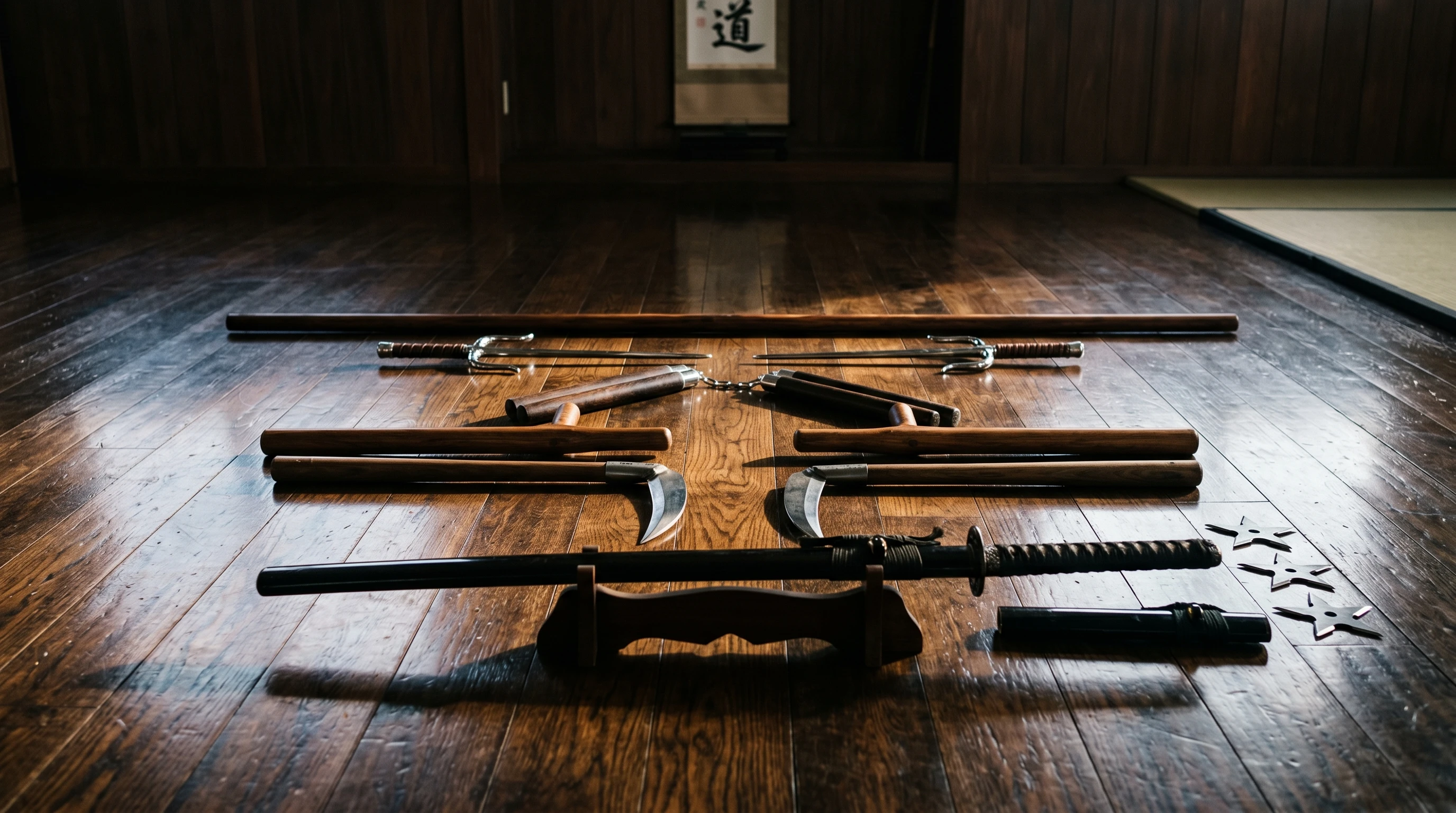
- Weapons Training: Especially in Chinese arts, basic weapons like sticks, staffs, and swords are common. They boost coordination, discipline, and respect for the artform, all while making practice more dynamic.
Mixing tradition and fresh approaches is pretty common among serious martial artists. Adapting techniques to fit your own body and lifestyle helps keep the training relevant and fun at any age. Some schools even combine martial arts with yoga or meditation, providing a more all-in-one approach to health and well-being.
Common Questions About Famous Martial Artists
Curiosity about martial arts stars can definitely lead to some interesting questions. Here are a few things that pop up the most:
Question: Are the fighting scenes in movies real martial arts?
Answer: Most movie fights use real techniques, but they’re choreographed to look dramatic and safe to perform. Stars like Jackie Chan and Bruce Lee were known for mixing authentic moves with stunts. Seagal usually stuck closer to actual aikido methods, while Van Damme blended his own background in karate and ballet to create fights that are both artistic and believable.
Question: How do I start training like these famous martial artists?
Answer: It starts with learning basic moves from a good instructor. Classes in karate, kung fu, or kickboxing offer a strong foundation. Flexibility, regular practice, and respect for the process make a huge difference. Plus, there’s no need to copy the wild stunts until you’re truly ready! Remember, safety always comes first as you step up your training.
Question: Can anyone learn martial arts, even later in life?
Answer: Absolutely! Many martial arts styles welcome newcomers of any age. Adapt the training to your fitness level and focus on gradual progress. The mental benefits can be just as big as the physical ones, such as improved focus, stress relief, and self-confidence. Some schools even offer special beginner classes for adults to help make the transition smoother.
Everyday Impact and Why It Still Matters
The big names of martial arts didn’t just bring new moves to the screen. They introduced a new mindset about discipline, health, and respect. Their influence has made martial arts lessons popular for kids, adults, and entire families. Whether it’s for building confidence, staying in shape, learning self-defense, or just having fun, martial arts keeps attracting people from all walks of life.
Watching these legends or trying a few moves yourself can connect you to a global community with deep traditions. Following the paths set out by Bruce Lee, Jackie Chan, Chuck Norris, Steven Seagal, and Jean-Claude Van Damme, you get a sense of why martial arts is about much more than fighting. It’s about finding your own balance and maybe even inspiring someone else along the way. Their legacies continue to encourage new students to find confidence and strength inside themselves, proving that the practice of martial arts is just as much about self-growth as it is about physical skill. If you’re ever curious about stepping onto the mat or into the dojo, remember that every martial artist started somewhere—and you could be next to find your passion in this all-in-one discipline.