
Capoeira brings together martial arts, dance, and music in a way that’s unlike anything else I’ve tried. Originally developed by enslaved Africans in Brazil, capoeira is more than just self-defense. It’s got its own unique rhythm and style, making it feel both athletic and artistic at the same time. If you’ve ever seen a capoeira roda (the circle where people practice), you’ve probably noticed the spinning kicks, acrobatic moves, and the constant beat of live music. I’m going to share what makes capoeira so interesting, how it actually works, and some tips if you’re thinking about starting out.
The Origins and History of Capoeira
Capoeira’s roots go way back to the 16th century. It started with people who were brought from Africa to Brazil as slaves. Forced to hide their fighting techniques, they combined combat moves with dance and music to disguise them from their captors. Over time, capoeira grew into a social practice where self-defense and expression blended together.
Today, capoeira is recognized around the world, practiced both as a sport and as a way to connect with Brazilian culture. UNESCO even listed it as an “Intangible Cultural Heritage of Humanity,” which is a pretty cool recognition if you ask me. In many cities across the world, capoeira events bring together people from all walks of life to celebrate this living tradition and its history of resilience.
What Makes Capoeira Unique
I’ve tried a few martial arts, and capoeira stands out because of the way it mixes movement, rhythm, and interaction. Instead of fighting head-on like in boxing or karate, capoeira is all about flow and improvisation. Here are the main features that give capoeira its special vibe:
- Ginga: This is the swaying step that’s at the core of capoeira. I find it’s a bit like moving to the beat while staying ready to spring into action at any moment.
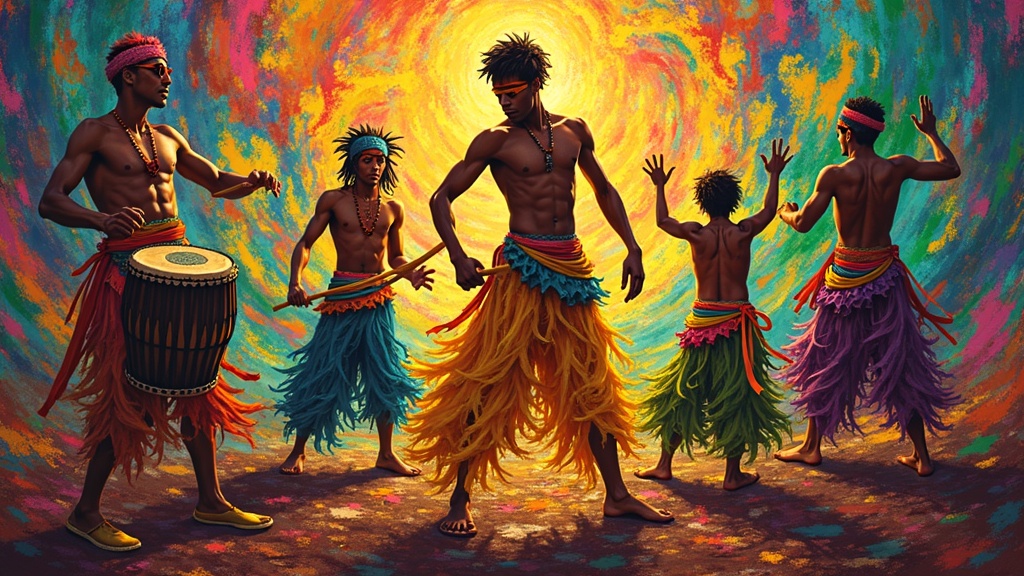
- Music: Live music using instruments like the berimbau (a kind of musical bow), atabaque (drum), and pandeiro (tambourine) sets the pace of the game.
- Call and Response Singing: The songs tell stories and encourage the players, bringing energy to the whole group.
- Roda: The playing circle where everyone gathers. Two people “play” capoeira inside while everyone else claps, sings, or plays instruments around them.
Capoeira’s not just about physical technique—there’s a real sense of community each time I join a roda. The energy from the group, the lively instruments, and the interplay between participants all come together to make each session unique. More than just a workout, capoeira can also teach lessons about respect, perseverance, and creativity.
Getting Started With Capoeira
If you’re thinking about giving capoeira a go, you’ll want to know what to expect during your first classes. While it can seem intimidating when you watch experienced players, beginners usually start with basic movements and rhythm exercises.
Here are some common terms you’ll come across:
- Ginga: The basic footwork. Everyone learns this first. It keeps you mobile and balanced.
- Meia lua de frente: A halfmoon kick that flows smoothly from the ginga.
- Au: Capoeira’s version of a cartwheel, used to move and dodge, not just show off.
- Role: A spinning move that lets you switch directions and maintain flow.
Music and singing are sometimes challenging for newbies (I felt a bit out of place at first), but don’t worry; everyone starts off learning simple clapping rhythms and easy choruses. As you get more familiar, you’ll pick up Portuguese lyrics and eventually might try leading a song or playing an instrument.
How to Choose a Capoeira Group or School
I’ve noticed that many capoeira groups or “academias” have their own approach. Some put more focus on traditional styles, while others blend in moves from modern dance or acrobatics. Here are a few things to help you narrow down your choices:
- Instructors: Look for someone who explains basics clearly and keeps things supportive for beginners.
- Class Style: Some classes have more music; others jump deeper into martial arts or acrobatics. Pick what feels fun for you.
- Community: A friendly, welcoming group makes a big difference, especially when you’re new.
- Trial Classes: Many schools offer free or low-cost first sessions. Worth checking out before you sign up monthly.
Spending a bit of time researching local schools, checking out their social media pages, or watching a class can help you pick one where you’ll feel comfortable and motivated. Don’t be shy to talk to students or ask the instructor about the group’s style and traditions.
Important Things to Consider When Starting Capoeira
Starting capoeira brings its own set of surprises. Even if you’ve danced or practiced martial arts before, there are quirks and challenges that are good to know about ahead of time:
- Flexibility: Capoeira involves a lot of low, flowing movements and spins, so working on flexibility is definitely helpful. A basic stretching routine helps prevent aches (I learned that the hard way).
- Stamina: The constant movement of ginga and quick bursts for flips or dodges can really work up a sweat. Simple cardio exercises can help get your stamina up.
- Coordination: Learning to move in sync with the music while dodging and kicking takes practice. Be patient; things start to click over time as you get used to the flow.
- Injury Prevention: Like any martial art, warmups matter. Listen to your body and don’t rush the acrobatics until you’re ready.
Flexibility and Movement
Capoeira’s ground movements and kicks stretch your muscles in ways you might not expect from other sports. Stretching regularly helped me not only avoid soreness but also flow more smoothly during practice. Moves like “negativa,” where you lower your body close to the ground, can be tricky at first but get much easier with practice. If you add a bit of yoga or pilates to your routine, you’ll build extra mobility and control in capoeira’s unique steps.
Learning Rhythm and Music
The music is really important. It’s what separates capoeira from other martial arts. Even if you have no musical background, there are simple clapping patterns and calls you can follow. I found that watching and joining in with the group makes it come naturally after a while. With time, you might learn the basics of the berimbau or pandeiro, adding more flavor and personal involvement to your capoeira sessions. Don’t hesitate to ask your teacher about the songs’ meanings—they tell stories and often give you insight into the culture that shaped this art.
Dealing with Nerves
Lots of beginners, including me, feel nervous stepping into the roda or singing solo, but the energy of the group quickly turns nerves into excitement. Capoeira circles are generally supportive for newcomers. Everyone’s been there before. Remember, even experienced capoeiristas were once beginners, so don’t let shyness hold you back. The more you join in, the more confidence you’ll build.
Tips and Tricks for Progressing in Capoeira
After getting past the basics, you’ll probably want to take your game up a notch. Here are some things I’ve seen help students make steady progress:
Watch and Learn: If you can, watch rodas in person or online. Seeing how different people move gives you ideas to try during class. Even observing the footwork and musical pacing can help you get the hang of timing. Reach out to experienced players and ask for advice—they’re usually happy to share tips.
Train Basics Often: Repeating fundamental moves like ginga, au, and basic kicks helps you perform them without thinking. This frees you up to improvise later. Set aside a few minutes before or after class to drill these movements and you’ll improve faster.
Drill With a Partner: Practicing defense and countermoves with a partner lets you read other people’s movements better. This back and forth is at the heart of capoeira’s “game.” Over time, you’ll start to spot patterns, anticipate moves, and react smoothly.
Stay Consistent: Even one or two classes a week will get your muscle memory going and help you improve faster. I noticed the biggest gains after I started showing up regularly. Consistency helps you keep building skill and confidence between sessions.
Get Involved With Music: Sing along, clap, or learn to play an instrument—even if you stumble at first. The more you get involved, the easier it gets and the more connected you’ll feel during class. Jamming with other students may inspire you to branch out musically, which adds even more fun to your sessions.
The Basics: Equipment and Clothing for Capoeira
You actually don’t need a lot of gear to get into capoeira. I started out wearing comfy workout clothes and barefoot or with flat shoes. Here’s what you’ll usually see in class:
- Abada: Lightweight white pants, usually worn for performances or special classes.
- Camiseta: A plain or groupbranded t-shirt.
- Footwear: Some classes prefer barefoot training, while others allow softsoled shoes.
- Berimbau, Atabaque, and Pandeiro: Teachers supply these instruments. If you stick with it, learning to play one of these is a fun way to get more involved.
One of the perks is that you won’t need to buy lots of special equipment. Just some comfy clothes and a willingness to join in. If you are dedicated, you might eventually want your own abada or even an instrument, but it can all come with time and experience.
Frequently Asked Questions
Everyone asks questions when starting out in capoeira. Here are a few of the most common ones I hear in beginners’ classes:
Question: Can I practice capoeira if I’m not very flexible or fit?
Answer: Definitely! Classes are usually scaled for all fitness levels, and flexibility develops as you train. Just focus on consistent practice and stretching. If you keep at it, you’ll be surprised how much your body adapts over the weeks.
Question: Is capoeira more like dance or martial arts?
Answer: It’s really a mix of both. You’ll move to the music and use dancelike steps, but there’s also sparring, kicks, and acrobatics. The beauty is in how capoeira blurs the lines between art, play, and self-defense.
Question: How long does it take to get good at capoeira?
Answer: Progress depends on how often you practice. Most folks see big improvements in coordination and rhythm after a few months. If you stick with it, you’ll soon start feeling more comfortable joining rodas and improvising moves.
Why Try Capoeira?
Capoeira is one of the most engaging activities I’ve tried, both for the workout and the creative energy. The mix of martial arts, dance, and live music builds coordination, fitness, and confidence. Beyond that, it’s a great way to connect with a welcoming community and learn about a unique piece of world culture. Whether you’re after a workout, a creative outlet, or just something new to try, capoeira’s got something for everyone.
If you’re looking for an allinone activity that keeps you moving, thinking, and grooving, capoeira is hard to beat. The community support, chance to discover new music, and physical skills you build all combine into a rewarding experience. Give it a try and you may just stumble upon your next favorite hobby. Wrapping up, capoeira keeps evolving and growing, bringing people together for fun, fitness, and self-expression.