
Chun Kuk Do, the martial art started by Chuck Norris, stands out for its clearly designed belt system. This color-coded ranking sequence isn’t just about your physical progress. It also tracks how your understanding of martial arts grows. Each belt color has its own meaning and reflects not only your skill but also the mindset and personal growth you’re expected to show as you move ahead. I’m going to walk you through what each Chun Kuk Do belt color represents and why it’s important to everyone training in this martial art.
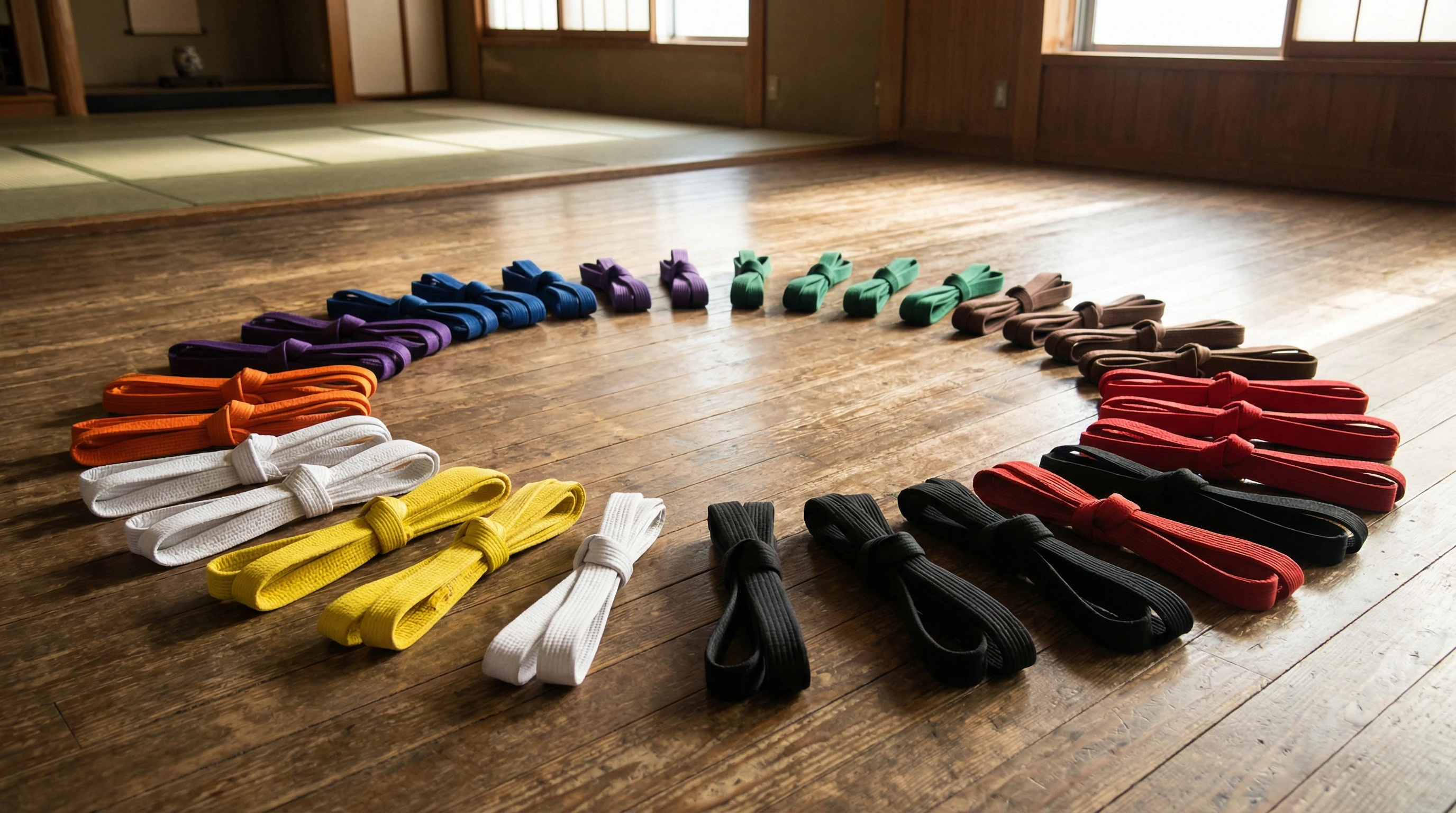
The Chun Kuk Do Belt Order Explained
Chun Kuk Do’s belt system is a lot like what you’ll see in other martial arts. Colored belts show your path from total beginner to expert. Students start as white belts and work their way up, usually with testing and skill demonstrations at each new belt rank. Each promotion marks more than just physical growth; it’s about building your character, showing respect, and taking part in the Chun Kuk Do community.
Here’s the typical order of belts in Chun Kuk Do:
- White
- Yellow
- Orange
- Purple
- Blue
- Green
- Brown
- Red
- Black
Some schools add stripes, tips, or extra levels to track even the small progress steps between the main colors. Let’s get into what each belt color is all about and what you can expect at every rank along the way.
What Every Chun Kuk Do Belt Color Means
White Belt: The Beginning
White belt is everyone’s starting point, no matter your age or background. White often represents purity and being empty, which fits because you’re just starting out with a clean slate. It’s about absorbing new ideas, learning the basics, and getting used to the routine and etiquette of martial arts. At this level, I remember learning basic stances, beginner punches, and picking up on the class structure. Every misstep became a lesson for building a solid foundation.
Yellow Belt: Growing Awareness
Yellow stands for growth, like a seed breaking the surface and soaking up sunshine. As a yellow belt, you’re starting to understand proper form and all the important rules of Chun Kuk Do. I found my confidence hitting a boost during this stage. Terminology and footwork didn’t feel as confusing anymore. The focus here is early awareness and getting your mindset set for keeping up with good training habits.
Orange Belt: Early Strength
Orange represents energy and the first sparks of building real power. Chun Kuk Do students at the orange belt level usually show bigger confidence and better control with each move. This belt was a milestone for me because it’s where sparring and combination moves really became fun. Orange is a reminder to keep using that new energy wisely, whether you’re in class or out in the world.
Purple Belt: Rising Skill
Purple isn’t always seen in other martial arts, but it’s important in Chun Kuk Do. It marks real transformation and growing maturity. Your techniques are becoming smoother, and forms start getting more advanced. Timing and awareness hit a new level here. My focus started to move away from just “not making mistakes” to really perfecting moves. Purple means you’re starting to rise above the simple basics, moving toward deeper skills and martial arts strategy.
Blue Belt: Expanding Horizons
Blue is all about opening up your learning. Imagine the wide, open sky. At blue belt, you get into complex kicks, tougher combos, and dig into serious self-defense tactics. Training stopped being just about memorizing—it became about when and how to use different moves. Blue shows how calm and controlled you’re expected to be now that you’re further along your martial arts ride.
Green Belt: Growth and Progress
Green shows steady progress and puts you about halfway to black belt. It represents a plant that’s survived storms and is now growing strong. As a green belt, I was asked to help out more in class and support newer students. Green is about sharpening the skills you already have and preparing for even harder challenges. Being a role model is part of the journey from here on out.
Brown Belt: Practical Refinement
Brown is where your roots are really deep. You’re expected to polish everything, making sure techniques are sharp and under control. At this stage, I found that instructors would correct even the tiniest detail to help me reach my best. At brown belt, you’ve shown true commitment, and you start to get more chances to guide others in their own training.
Red Belt: Readiness and Responsibility
Red belt is the warning sign, marking the stage right before black belt. It carries more responsibility. You’re expected to help lead classes and show off solid leadership. Red means you have major skills, but you always need to use them wisely. Leading warmups, demonstrating techniques, and guiding younger students often becomes part of the experience. It’s as much about mental sharpness and character as it is about power.
Black Belt: Mastery and New Beginnings
Black belt might feel like the finish line, but Chun Kuk Do treats it as a fresh start for your lifelong martial arts adventure. When you get your black belt, it means you’ve earned the right to learn even more, push your boundaries, and add your own personal style. For me, this rank was about sharing what I knew and helping the next generation, always staying humble and curious to learn more.
How the Chun Kuk Do Belt System Shapes Personal Growth
The colored belt journey is about much more than just patches or pieces of cloth. Chun Kuk Do uses this stepped path to build confidence and to help people set clear, achievable goals. Each belt requires you not just to show off moves but to have the right attitude every step of the way.
Moving up through the ranks is never just about new forms or self-defense routines. Instructors remind students daily that your attitude, honesty, discipline, and the way you treat others are just as important as your kicks and punches. This system grows students into balanced martial artists who really get the values at the heart of Chun Kuk Do.
Tips for Advancing Through Chun Kuk Do Belts
Rising through Chun Kuk Do’s colors can sometimes be tough, especially at green and brown levels where things get more demanding. Here are some practical ideas to keep climbing successfully:
- Regular Practice: Training often, even for short periods, makes a real long-term difference.
- Ask for Feedback: Don’t hesitate to ask instructors questions or ask for advice about what you can fix.
- Keep a Training Journal: Writing down drills, mistakes, and tips helps spot improvements and track how far you’ve come.
- Mental Attitude: Staying positive and patient, even when things don’t go smoothly, is key to steady progress.
Sometimes, teaming up with other students can also give your training a boost. Pairing up to practice drills or review forms builds team spirit and helps everyone improve faster.
Comparing Chun Kuk Do Belts to Other Martial Arts Systems
Chun Kuk Do’s belt colors look similar to what you see in karate, taekwondo, or judo, but the way students earn ranks and what gets emphasized along the way can be a bit different. Chun Kuk Do puts extra emphasis on values, courtesy, and community. The program is a blend of traditional karate elements and Chuck Norris’s own martial arts experiences, which means each level requires a mix of technical skill and character-building tasks. Sometimes this might include helping out with kids’ classes or taking part in community service projects. This character-first focus makes moving through Chun Kuk Do’s belts a meaningful ride, not just a test of physical ability.
Frequently Asked Questions
Lots of people who are just starting Chun Kuk Do have questions about earning belts. Here are some of the most common ones I hear a lot:
Question: How long does it usually take to earn a black belt in Chun Kuk Do?
Answer: Most students need about 4 to 5 years to go from white to black belt, depending on how much they train and what their school’s requirements look like.
Question: Can adults start Chun Kuk Do with no experience?
Answer: Absolutely! Beginners are always welcome, and the belt system is set up to motivate steady growth regardless of your age or experience.
Question: Do you need to compete in tournaments to move up belts?
Answer: Tournament competition is not a requirement to move up. Advancement is more about what you do in class, how much effort and growth you show, and whether you meet your school’s standards.
Final Thoughts on Chun Kuk Do’s Belt Colors
The Chun Kuk Do belt ranking system goes far beyond motivation. Each color has a story and a goal, and together they lay out a trusted way for anyone to build skill, confidence, and personal character. Whether you want to hit black belt or just want to pick up new skills, getting the meaning behind each rank can turn your martial arts training into a more fun and meaningful adventure.