Trying out martial arts can be one of the most rewarding and eye-opening experiences around. There’s a huge variety of styles you can pick from, and finding the right fit depends on your personality, your fitness goals, and what you actually enjoy doing. I’ve spent years exploring different disciplines, and I know the selection process can be tricky at first. Here’s my guide to figuring out which martial arts style matches you best, including the key differences between striking and grappling arts, and some things you might want to keep in mind when making your decision.
Understanding Martial Arts: Your Options At a Glance
There’s a lot more variety in martial arts than simply learning to punch or kick. Some arts focus on using your hands and feet to strike your opponent, while others center around throws, locks, or wrestling on the ground. This is usually split into two main groups: striking arts and grappling arts. Understanding these differences really helps narrow things down.
Striking Arts: These involve hitting your opponent using fists, elbows, knees, and feet. Karate, boxing, Muay Thai, and taekwondo fall into this group. Training typically includes pads, heavy bags, shadowboxing, and sometimes sparring with a partner.
Grappling Arts: These focus on grabbing, holding, and controlling your opponent. Judo, Brazilian jiu jitsu, wrestling, and sambo are good examples. Training often involves partner drills and live rolling or sparring on mats, where you try to throw, pin, or submit your training partner.
Some martial arts combine both striking and grappling, like MMA (mixed martial arts), but most styles have a dominant focus. Deciding which group you’re more drawn to helps a lot.
Getting Started: How to Choose the Right Style
Everyone comes to martial arts for a different reason. Maybe you’re looking for better fitness, stress relief, discipline, self defense, or just something fun. Picking a style that matches your personality or goals is a good place to start. Here are some things people often look for:
- Self Defense: Styles like Krav Maga, boxing, or Brazilian jiu jitsu are tailored for real world situations.
- Fitness: Kickboxing, Muay Thai, or judo give you a killer workout and keep things interesting with constant movement.
- Competition: If you’re competitive, try wrestling, taekwondo, or judo, as all have regular tournaments.
- Tradition and Discipline: Arts like karate, aikido, or kung fu keep traditions alive and emphasize respect, focus, and self control.
Trying a few trial classes or watching some training sessions can be a pretty handy way to see which vibe actually fits you best. Most schools are happy to answer questions or let you sit in for a class.
Quick Guide: Exploring Martial Arts Styles and Their Strengths
Every martial art has its own unique strengths, techniques, and approach to training. Here’s a rundown of some popular styles and what makes each worth checking out:
- Karate: Centered around powerful strikes, blocks, and katas (forms). Karate mixes self defense with physical and mental discipline.
- Taekwondo: Known for fast, high kicks and dynamic movements. Taekwondo focuses on agility, speed, and good footwork.
- Boxing: Great for learning head movement, footwork, and sharp punches. Training in boxing gives you solid self defense basics and cardio conditioning.
- Muay Thai: Relies on the “eight limbs”; fists, elbows, knees, and shins. Muay Thai builds practical striking skills and toughness, while delivering a solid workout.
- Judo: Grappling based, teaching throws, pins, and submissions. Judo is about leverage and balance, and is full of partner drills on mats.
- Brazilian Jiu Jitsu (BJJ): All about ground fighting, submissions, and control. BJJ offers a technical challenge, with lots of strategy and problem solving.
- Wrestling: Focuses on takedowns and positional control, mostly on the ground. Wrestling is intense and builds functional strength and endurance.
Some arts, like MMA or Jeet Kune Do, take a “mix and match” approach, combining striking, grappling, and practical self defense. Styles like aikido or tai chi are lower impact and geared more toward movement, flexibility, and self mastery. If you’re feeling ambitious, you might want to mix in some variety by cross training in a couple of arts to see what matches your interests most.
Things You Should Probably Consider Before Picking a Martial Art
Picking a martial art isn’t only about what looks cool on YouTube. Here’s what I recommend thinking about before you jump in:
- Your Goals: Do you want fitness, self defense, confidence, or a way to compete?
- Physical Condition: Some arts are more physically demanding. Muay Thai and wrestling are intense, while aikido or tai chi are gentler on the joints.
- Injury History: Grappling usually has closer contact, which can sometimes be tough on the body, especially knees and shoulders. Striking arts might result in bumps and bruises but generally have fewer joint locks or throws.
- Access and Location: Not every martial art is available in every area. Check out local schools or community centers to see what’s nearby. If you’re in a rural location, you might have to travel a bit, but many towns at least have basic boxing or karate offerings.
- Culture and Atmosphere: Each gym or dojo has its own vibe. Some are relaxed, some are super competitive, and others focus heavily on tradition.
- Cost and Commitment: Classes, uniforms, gear, and competitions can all add up. Figure out what fits your schedule and budget. Remember to consider the cost of travel or hidden fees as well.
It’s pretty normal to switch styles or even combine two as you learn more about what you like and what you don’t. There’s no right or wrong when it comes to trying things out. The key is to stay open minded and remember that the best martial art for you is the one that keeps you learning eagerly.
Striking vs. Grappling: Figuring Out What Suits You

Personal preference plays a huge role here. Some people love the problem solving aspect of ground grappling, where you’re always thinking a few steps ahead. Others are more drawn to the adrenaline and rhythm of striking, with its focus on timing, distance, and quick movements.
- If you like competition and raw athleticism: Wrestling and boxing are both pretty popular for this. These sports offer a straightforward challenge and are available at almost any level.
- If you’re looking for self defense: BJJ and Muay Thai are practical choices; BJJ for teaching ground defense and submissions, Muay Thai for striking at all ranges. Krav Maga is also worth considering for pure self defense.
- If tradition and personal growth matter: Karate and traditional kung fu schools often include rituals, history, and mental training that stretch beyond just physical skills.
- If injury is a concern: Tai chi and aikido are more about movement, control, and reducing tension, and usually have a lower risk of injury than styles that involve smashing pads or doing heavy throws.
Advanced Tips and Tricks For Getting the Most From Training
Once you know your preferred style, making the most out of classes is all about attitude and consistency. Here are some things to keep in mind based on my experience:
Ask Questions: Every teacher has plenty of insight and is usually happy to help, so don’t be shy about asking “why” or “how.” Martial arts are full of details, and paying attention to technique helps a lot in the long run.
Stay Consistent: Improvement takes time. Training regularly (even just twice a week) is super important for progress. You might not spot quick results in the beginning, but over a few months you’ll notice real changes in your abilities, strength, and confidence.
Mix It Up: If you enjoy both grappling and striking, find a gym that allows crosstraining. Many MMA gyms or community centers now offer classes in several styles, so you can sample a bit of everything until you lock in your favorites.
Respect Your Body: Rest, stretching, and listening to your body is just as important as the training itself. Injuries slow you down, so don’t push through pain. Martial arts should help you grow, not hold you back.
Set Realistic Goals: Track your progress with small milestones: learning a new technique, earning your next belt, or completing a challenging workout. Celebrate these wins to keep motivation strong over the long term.
The Basics: Starter Gear and Etiquette
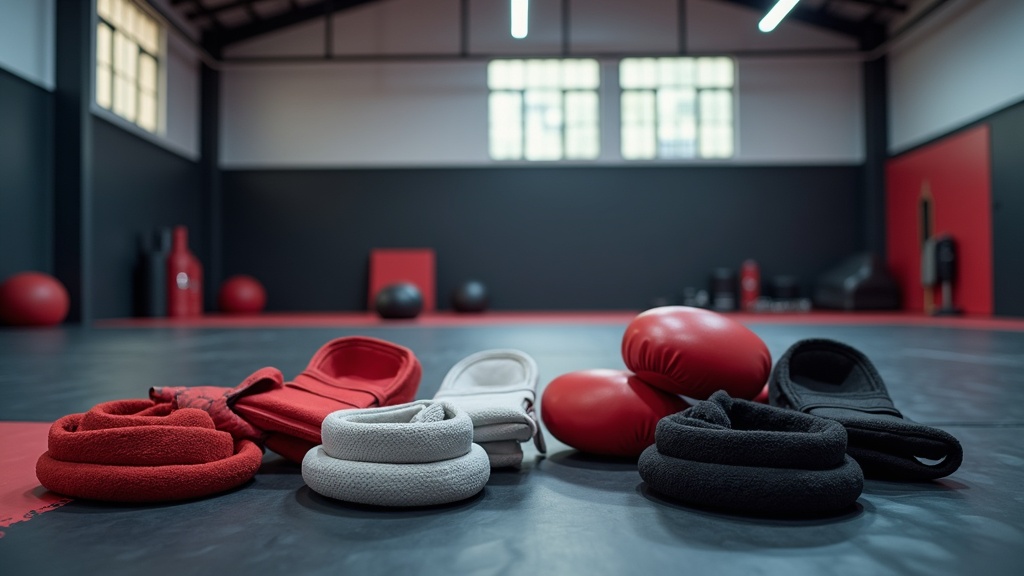
Different martial arts need different gear. For striking arts, you’ll usually need gloves, wraps, and maybe shin pads. Grappling arts like judo or Brazilian jiu jitsu often require a gi (uniform) and a belt. Some arts need mouthguards or headgear for sparring.
Most schools will fill you in on any equipment you need. Show up early for class, keep your gear clean, and pay attention to the rules. Respect and good hygiene go a long way in martial arts communities. Being polite and helping your training partners also makes a big difference, and it helps you fit in faster. Martial arts communities value respect above everything, so make sure you treat everyone as you’d want to be treated yourself.
- Striking Styles: Gloves, wraps, shin guards, and mouthguards are common. If sparring is allowed, invest in a good headguard and wear a mouthguard every time. Proper care for your gear not only keeps you safe but also helps it last longer.
- Grappling Styles: Gi, rashguards, and sometimes wrestling shoes for grip on the mats. Make sure to wash your gi after every use and keep your nails trimmed short to avoid scratches or infections during partner drills.
- Mixed Styles: You might need a combination of the gear above plus newer equipment as you progress, such as knee pads or compression shorts. If you’re cross training, ask your coach about gear requirements for different sessions.
Frequently Asked Questions
People new to martial arts usually have plenty of questions. Here are a couple I hear a lot:
Question: Do I need to be fit before starting a martial art?
Answer: Not at all. Training will help you get fitter. Most classes are beginner friendly and you’ll get stronger and more skilled over time. It’s never too late to start, no matter your level of experience.
Question: Is martial arts safe for kids or older adults?
Answer: Most schools offer classes tailored for different age groups and fitness levels, with an emphasis on safety and basics first. Instructors adapt techniques to suit the needs and limitations of each group, so everyone can train safely and comfortably.
Question: How do I know if a school or gym is good?
Answer: Look for clean facilities, experienced instructors, and a friendly, respectful vibe. Trying a trial class usually tells you what you need to know. Trust your instincts and pick a place where you feel comfortable and supported.
Final Thoughts On Picking The Right Martial Art
Martial arts have a lot to offer, whether you want to challenge yourself, get in shape, or just have fun learning something new. Choosing a style that matches your interests and abilities makes all the difference. Remember, it’s all about finding what excites you, so don’t be afraid to try different classes until you stumble upon what’s right for you.
Jump in, give it a go, and see where training takes you! Stay curious and enjoy the adventure as you grow with every class.