
If you’re looking for a martial art that blends fitness, self-defense, and sport, judo stands out as a practical and dynamic choice. It’s not only an Olympic-level discipline, but also a useful way to gain confidence and protect yourself. Judo draws from real-life situations, all while providing a friendly community and a truly impressive set of physical skills. I’m walking you through what makes judo approachable, how it works for self-defense, and why it’s loved as a sport worldwide.
What Makes Judo Unique?
Judo, which means “gentle way” in Japanese, is a martial art built on using an opponent’s force against them. It started in late 19th century Japan, thanks to Jigoro Kano. Over the years, judo has grown a worldwide reputation for promoting both physical fitness and strong moral character. Unlike styles that focus on striking, judo is all about throws, holds, and submissions.
This approach sets judo apart for self-defense. You don’t need to be the biggest or strongest person in the room; instead, it’s about timing, balance, and knowing how to use someone’s strength against them. For anyone interested in practical self-protection without having to punch or kick, judo’s principle of “maximum efficiency with minimum effort” comes as a huge bonus.
The style is also designed for safe, controlled practice. Since the goal is to throw or pin rather than cause serious harm, beginners can train comfortably. Learning how to fall safely (called ukemi) is a building block of training, and just this skill can prevent injuries if you trip or slip in everyday life.
Getting Started with Judo: What to Expect
Joining your first judo class can be a bit intimidating, but it’s also super friendly. Most dojos (training halls) welcome beginners in regular workout clothes, and you’ll learn the basics before anything advanced happens. Judo classes usually involve three main parts:
- Warmup drills: These prep your body and reduce the chance of pulls or strains. Stretching, short sprints, and fundamental movements like forward and backward rolls are common.
- Technical training: Here, you’ll learn how to fall, stand, and move like a judoka. Instructors demo throws, pins, and escapes at a slow, steady pace so you can practice safely.
- Randori or sparring: Randori is light, freestyle practice where students try techniques on each other in a controlled environment. This isn’t about winning; it’s about working on timing and balance.
If you’re thinking about joining, finding a local judo club is a good starting point. Many community centers and gyms offer classes with experienced coaches, and some even offer free beginner sessions, so you can give it a try without any pressure.
Judo as Self-Defense
One reason I suggest judo for practical self-defense is that it trains you to respond confidently to grabs, holds, or attempts to control you. Judo throws like the seoi nage (shoulder throw) or osoto gari (major outer reap) allow you to redirect an attacker’s force, often catching them off guard. Pins and chokes, learned in a safe and structured way, also mean you gain confidence in what to do if things get more serious.
The best part is that you don’t need a punch or kick to manage a situation. Judo’s focus on balance and movement means you’re less likely to get hurt in a fight because you learn both how to fall and how to get out of holds. If confrontation is unavoidable, having the ability to neutralize a threat without escalating is a major advantage.
- Control, not damage: Judo lets you put someone on the ground and keep them there if necessary, making it safer for everyone involved.
- Escape skills: Breaking free from bear hugs, wrist grabs, or other holds becomes much more doable with judo experience.
- Heightened awareness: Training improves your reaction time and comfort with close contact, both of which help in stressful situations off the mat.
The Sport Side: Judo as a Competitive Activity
Judo is also a hugely popular global sport, included in the Olympics since 1964. From club tournaments to major championships, judo’s rules are clear and geared toward fairness. Each match starts with both people gripping each other’s jackets (judogi) and trying to score points with clean throws, pins, or submissions. Throws are scored according to how cleanly someone lands on their back. A big and eye-catching throw can end a match in seconds.
You may have seen athletes compete in white or blue uniforms, using quick footwork, balance, and explosive power. What’s great is that everyone, from kids to seniors, gets a division based on age and weight. There’s a friendly camaraderie in the judo community, and the etiquette shown on the mat is something you take with you into day-to-day life.
Competing isn’t required, though. Many people practice judo just for fitness, challenge, and self-improvement. If you’re interested in competing, starting at a club level is a good move. You get to test your skills, meet new training partners, and build lasting friendships. Medals are a nice perk, but the real value comes from pushing yourself to get better every time you train or step on the mat.
Tips for Judo Beginners
Getting started can feel nerve-racking if it’s your first martial art. Here are some pointers that helped me and that most coaches share with newcomers:
- Focus on learning how to fall: Mastering ukemi is vital for safety and confidence. Even if you never compete, this is a life skill that comes in handy both on and off the mat.
- Progress at your own pace: Don’t stress about landing perfect throws right away. Steady practice adds up over time.
- Ask questions: Judo’s community is supportive. Coaches and more experienced students genuinely enjoy helping beginners level up.
- Stay relaxed: Holding too much tension makes throws more difficult. Stay loose, and you’ll move more naturally with less risk of injury.
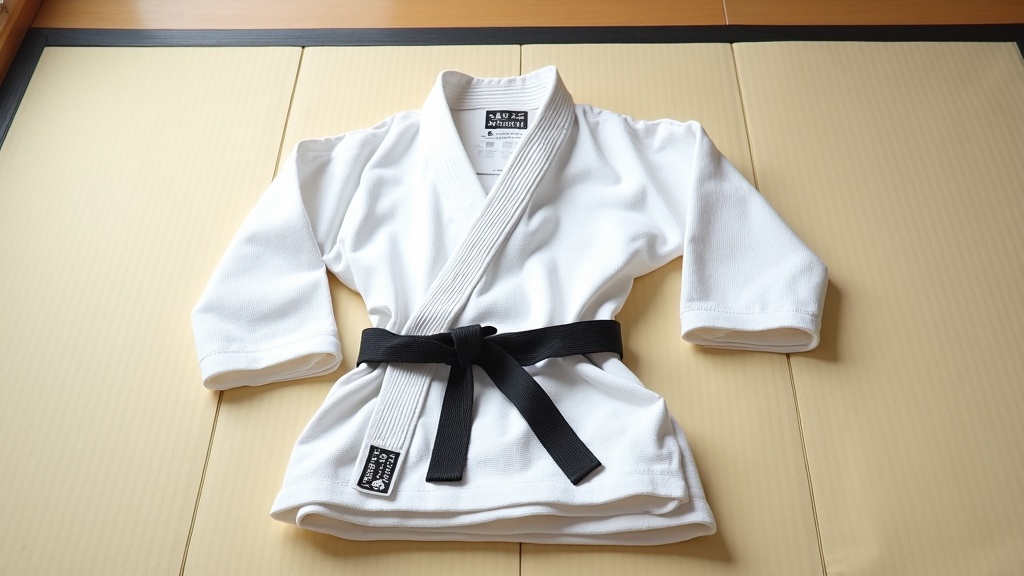
The gear is minimal: a uniform (gi), a belt for your level, and maybe a water bottle for class. Most clubs are happy to lend you a gi at the start.
Common Challenges and How to Overcome Them
Every martial art brings a few hurdles, and judo is no exception. Here’s what beginners often face and ways to move past these obstacles:
- Physical soreness: Grappling and groundwork work muscles you might not use much in daily life. Soreness is normal, but stretching after training helps a lot.
- Learning the jargon: Japanese terms can throw you for a loop, but learning basics like “osoto,” “ippon” (full point), or “ne waza” (groundwork) gets easier over time.
- Plateaus: Sometimes progress feels slow. Trying new drills or sparring with different folks can help shake things up and reignite your motivation.
- Competition nerves: Getting nervous before a match is normal. Breathing exercises and support from teammates can help get you through the first competition jitters.
Judo Beyond the Mat: Real-World Benefits
I’ve noticed that practicing judo spills over into daily life in some fantastic ways. Regular training builds core strength, balance, and cardio fitness. Many judo students say their confidence takes a big step up, stress drops, and they gain new focus for school or work. The respect and discipline you pick up on the mat definitely stays with you when you leave the dojo. Plus, the friends you make while training often turn into your biggest supporters outside of class.
- Teamwork: Mix training with folks of all backgrounds and ages, and you’ll develop a strong sense of trust and connection to your local community.
- Resilience: Learning to get up after a throw, both literally and figuratively, helps you bounce back from setbacks everywhere in life.
- Problem solving: Every match is a test of sharp thinking and split-second decisions. These skills make tackling challenges outside the gym a lot smoother.
If you stick with training for a while, you may stumble upon opportunities to help teach lower ranks or kids’ classes, which gives you a chance to step up your leadership and people skills as well.
Frequently Asked Questions
Here are a few questions that tend to pop up when people are curious about judo:
Question: Does judo work for people who aren’t strong or tall?
Answer: Absolutely. Judo’s focus is on leverage, timing, and body mechanics, so you can be successful no matter your size or gender.
Question: Do I need any experience to start?
Answer: Not at all. Judo classes are built for total beginners, and instructors help you progress step by step.
Question: Will I get hurt doing judo?
Answer: With good instruction and safety techniques, injuries are pretty rare. Learning how to fall and practicing under supervision makes a big difference in staying safe.
Question: How quickly can I get good at judo?
Answer: Progress depends on your training frequency and personal goals. Attending regular classes, even twice a week, can bring noticeable results within a few months.
Wrapping Up
Judo offers a blend of self-defense and sport that fits a wide range of interests and fitness levels. It’s a friendly way to meet new people, pick up fresh skills, and build up both physical and mental strength for life. Whether you want a hobby for fun, a practical tool for protection, or a competitive path, judo arms you with hands-on experience and plenty of personal growth.
Trying a class might be one of the smartest moves you make for your mind and body. At its heart, judo isn’t just about competition—it’s about discovery, improvement, and realizing your potential, both on the mat and out in the world.