
If you’re curious about martial arts that mix philosophy with practical self-defense, Aikido is definitely worth checking out. While most martial arts focus a lot on winning fights, Aikido stands out for weaving deep ideas about harmony and balance into every movement. Training in Aikido has completely changed the way I look at both conflict and daily life, offering a unique outlook that goes way beyond learning how to throw or pin an opponent. Here’s my breakdown of the thinking behind Aikido techniques and how these principles actually shape what you learn on the mat.
The Heart of Aikido: Finding Harmony, Not Victory
Aikido isn’t just about defeating someone who attacks you. At its core, the art is about restoring peace and maintaining balance, both physically and mentally. The founder, Morihei Ueshiba, looked at martial arts as a way to build harmony with the world around you. Instead of brute force or trying to overpower your attacker, Aikido encourages you to blend with the incoming energy and guide it to a safe resolution. If you’ve ever watched a skilled Aikido practitioner, you’ll notice they move with a kind of relaxed control, never fighting against force but always working with it.
This approach shows up in how every technique is taught. Rather than blocking or clashing head-on, Aikido techniques use circular movements to redirect attacks. The idea is to neutralize aggression without causing injury, which is actually pretty challenging but also incredibly rewarding once you get even a small handle on it.
The Main Principles That Shape Aikido Techniques
The philosophy behind Aikido techniques rests on a handful of guiding ideas that you’ll spot in every practice session. Here’s what stands out for me:
- Circular Motion: Most Aikido techniques involve turning movements, pivots, and flowing steps. These motions aren’t just for show; they let you use your whole body to guide attacks away from you and turn an attacker’s energy back on itself.
- Nonresistance: Meeting strength with strength is pretty rare in Aikido. Instead, you learn to give way and join forces with your partner, almost like joining a dance instead of butting heads. This is where the idea of blending, or awase, comes in.
- Centeredness: Staying balanced and relaxed is a big deal. If you lose your center (your own body’s alignment and peace of mind), techniques just don’t work well. Much of the training is about feeling solid in your stance, no matter what’s coming your way.
All these principles mix together in every throw, hold, and turn you see on the mat. It also means the body mechanics are safer for both people practicing together, since the aim is to protect and respect your partner at all times.
A Brief Look at Aikido’s Origins and Influences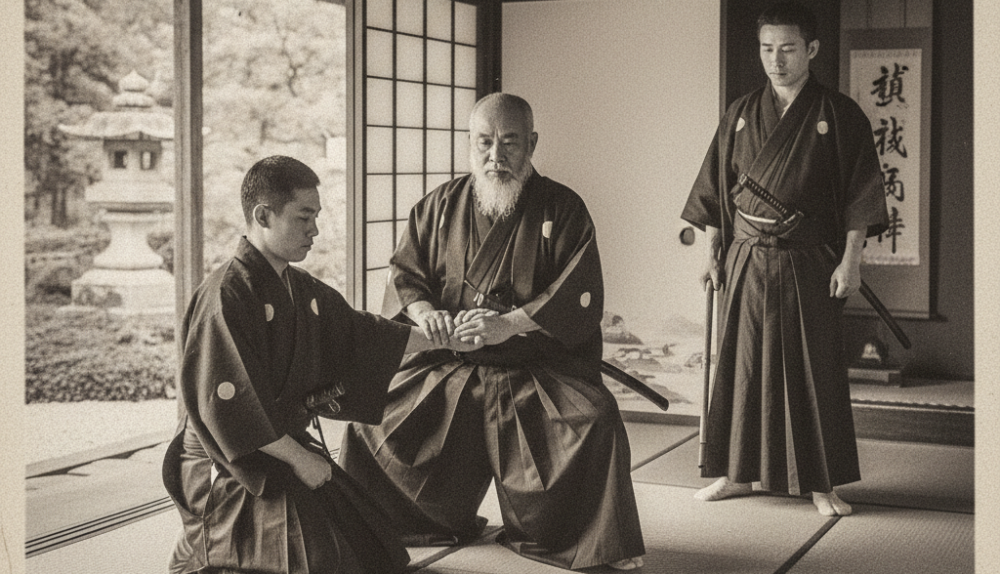
Aikido’s roots go deep into traditional Japanese martial arts, especially styles focused on sword and grappling techniques. Morihei Ueshiba, the founder, trained in jujutsu, kenjutsu, and other arts before he started shaping Aikido in the 1920s and 30s. What’s special here is that Ueshiba’s spiritual beliefs and experiences played a huge role in how the art developed. He believed that martial arts should focus less on domination and more on reconciliation and protection.
This is why so much of Aikido’s philosophy is about not meeting force with force. The historical context is pretty interesting too. After World War II, Ueshiba switched up the focus of Aikido even more toward peace, making it a martial art that was open to anyone, regardless of size, strength, or background.
How Aikido’s Philosophy Shapes Day-to-Day Practice
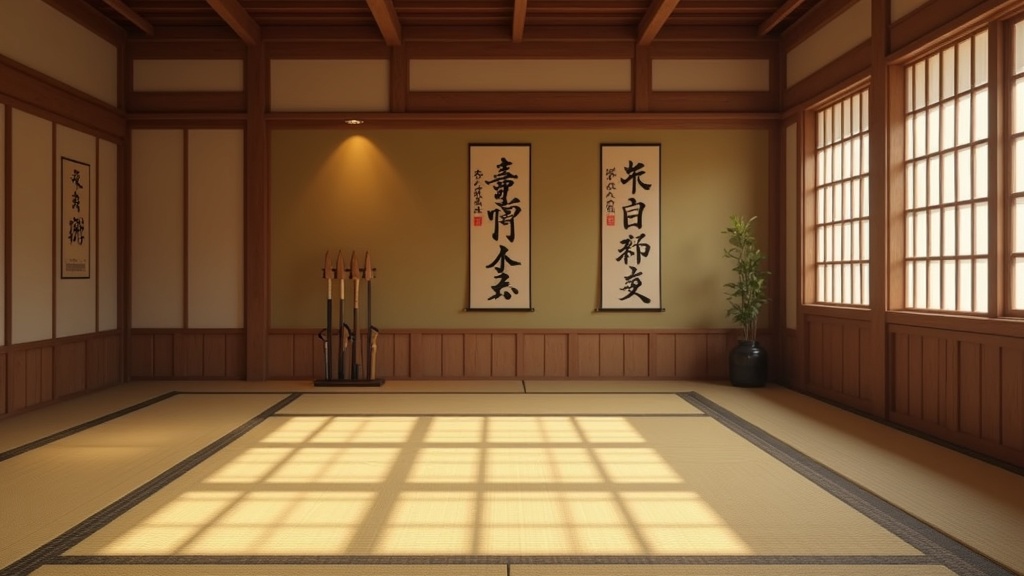
When you first set foot in a dojo (that’s what Aikido training spaces are called), you’ll notice the peaceful vibe right away. Courtesy and mutual respect are taken seriously, starting with bowing in and always considering your partner’s safety.
Training is often done with a partner and involves taking turns as the attacker (uke) and defender (nage). The goal isn’t to “win” but to learn how to move together. Techniques naturally teach you to stay relaxed under pressure; a skill I’ve found super useful outside the dojo, too.
- Blending teaches you to manage conflict calmly.
- Falling practice (ukemi) helps you go with the flow of unexpected situations, not just physically but mentally as well.
- Continuous improvement is at the heart of Aikido. The idea is to get a little better each session, which takes patience and humility.
Even experienced practitioners see themselves as lifelong students. There’s always another subtle point about movement or timing to track down.
Why Circular Movement Matters
The use of circular, spiraling movement in Aikido comes straight out of its philosophy. When someone attacks, meeting them in a straight line often makes things worse, both physically and emotionally. By stepping off the line and drawing an arc with your body, you make the attack fizzle out and create options for your next move. This works as both a practical self-defense approach and a metaphor for handling the unexpected in daily life.
The Mentorship of Uke and Nage
The dynamic between uke (the partner who attacks) and nage (the defender) doesn’t just teach physical skills. It’s also an exercise in empathy and mindfulness. Uke learns to offer sincere, controlled attacks while remaining safe, and nage learns to respond without escalating things. Over time, this back-and-forth builds trust, patience, and a deeper understanding of yourself and others.
Connecting Practice to Everyday Life
The rhythm of Aikido classes, with their focus on calm, mindful movement, actually starts to bleed into other parts of life. I’ve noticed I’m better at handling tough conversations or sudden changes, because Aikido trains you to stay relaxed and centered no matter what comes at you. The training spills over into daily habits, making it easier to manage stress or frustration.
Another cool thing about Aikido’s philosophy is its encouragement to see problems as opportunities. Challenges aren’t things to fight against; instead, they’re chances to learn to adapt and move forward, both on and off the mat.
Frequently Asked Questions
New students often want to know how the philosophy of Aikido makes a difference, especially if they’ve tried other martial arts. I’ve rounded up a few common questions with my take below:
Question: Can Aikido really help in self-defense if it avoids direct confrontation?
Answer: Yes, Aikido techniques work by safely redirecting energy instead of clashing head-on. This means they’re helpful for people of any size or strength, focusing on creating space and finding a peaceful ending instead of winning by force.
Question: Do you need to be physically strong to do Aikido?
Answer: Not really. Success in Aikido comes more from timing, balance, and understanding movement rather than physical strength. Students of all ages and fitness levels can pick up the basics and gradually build skill with consistent practice.
Question: How does the philosophy show up in daily practice?
Answer: Every class is a mix of physical movement and reflection on how to stay calm and open-minded. The repeated bowing, attention to each partner, and emphasis on safety all reflect the art’s commitment to respect and harmony. Over time, these habits contribute to a more grounded and adaptable mindset outside the dojo as well.
What’s Next on the Aikido Path?
Jumping into Aikido means getting comfortable with the idea that practice and philosophy go hand in hand. You’ll learn to move efficiently, connect with others, and build a solid foundation of self-awareness. Every technique you try is more than a way to handle an attack; it’s another step toward a calmer, more grounded approach to life’s challenges.
Whether you’re after self-defense skills or just want a new outlook on conflict and cooperation, Aikido’s philosophy gives you plenty to explore both on and off the mat. As you continue your adventure, you’ll notice that harmony and self-development become second nature, and the lessons from the dojo steadily work their way into every part of your day.