If you’ve ever looked into martial arts, you might have stumbled across Chun Kuk Do, the martial art and philosophy founded by Chuck Norris. Chun Kuk Do blends various elements together and attracts people looking for something with both tradition and flexibility. Still, it’s easy to get confused by how Chun Kuk Do stacks up against styles like Karate, Taekwondo, Brazilian Jiu Jitsu, or Muay Thai. I’m here to break down the most important differences so you get a clear idea of what makes Chun Kuk Do unique and where it overlaps with other arts.
What Is Chun Kuk Do?
Chun Kuk Do is an American martial art system started by Chuck Norris in 1990. The name means “The Universal Way,” and the style is designed to be adaptable, practical, and respectful to its roots. Chun Kuk Do includes techniques from Karate, Taekwondo, Judo, Brazilian Jiu Jitsu, and more. It’s more than just self defense or fighting; it also focuses on building character, discipline, and confidence.
Because Chun Kuk Do has such a wide mix of techniques, it feels pretty different from arts that stick closely to one culture or one way of moving. The curriculum also makes room for personal development, whether you’re a kid learning about respect or an adult who wants to stay in shape without giving up on practical skills.
On top of the physical techniques, Chun Kuk Do offers a philosophy of living rooted in Norris’s own code of conduct. The tenets highlight honesty, respect, loyalty, and hard work—values that translate to life outside the dojo, not just during training sessions. This code gives students a clear guide for their personal growth inside and outside martial arts.
Chun Kuk Do Compared to Other Popular Martial Arts
Most people picking a martial art wonder about the differences and similarities between the big names. Each art attracts people for its own reasons. Chun Kuk Do tries to draw on a “best of” approach, but each traditional art it draws from has its own specialty.
Chun Kuk Do vs. Karate
- Structure: Chun Kuk Do is heavily based on Korean and Japanese Karate traditions, so you’ll see lots of familiar moves: kicks, punches, blocks, and stances.
- Flexibility: Chun Kuk Do encourages students to crosstrain and study multiple styles outside its core curriculum. Most Karate schools stick with one single tradition (like Shotokan or Goju Ryu) and rarely mix other arts into their main program.
- Philosophy: Both focus on personal growth, respect, and discipline, but Chun Kuk Do has a modern code of conduct written by Norris, which covers everything from manners to honesty.
Chun Kuk Do vs. Taekwondo
- Kicking Techniques: Taekwondo is known for its flashy, high, and spinning kicks. Chun Kuk Do includes some of these but adds punches, grapples, and joint locks from other styles.
- Competitions: Taekwondo emphasizes point sparring and Olympic style matches, while Chun Kuk Do provides a broader range; students can train for self defense, sparring, or demonstration, and are encouraged to seek out other competitions if they wish.
- Lineage: Taekwondo is rooted in Korean history and tradition. Chun Kuk Do uses that background but also weaves in American influences and multiple traditions.
Chun Kuk Do vs. Brazilian Jiu Jitsu (BJJ)
- Focus: BJJ is all about ground fighting and submission holds. Chun Kuk Do mostly stays on its feet but includes defenses against takedowns and simple ground escapes.
- Rankings: Chun Kuk Do uses the colored belt system familiar from Karate and Taekwondo. BJJ has its own ranking structure and takes much longer to advance between belts, especially at higher ranks.
- Personal Safety: Chun Kuk Do aims to give students skills for stand up confrontations, but doesn’t go as deep in groundwork as BJJ does. Someone wanting to get really good at ground defense might want to supplement with BJJ training.
Chun Kuk Do vs. Muay Thai
- Striking Style: Muay Thai focuses heavily on powerful elbows, knees, clinches, and low kicks. Chun Kuk Do gives a more balanced mix, with kicks, punches, blocks, and self defense maneuvers, but it doesn’t specialize the way Muay Thai does.
- Conditioning: Muay Thai classes are tough and physically demanding, with lots of pads, partner drills, and intense workouts. Chun Kuk Do also develops fitness, but includes more traditional line drills, forms, and philosophy as part of the curriculum.
- Cultural Influence: Muay Thai is deeply tied to Thai culture and traditions, while Chun Kuk Do is deliberately international, welcoming students from all backgrounds.
Core Curriculum: What You Really Learn
Training in Chun Kuk Do gives you a wide mix of skills. Here are some of the key elements I’ve noticed in Chun Kuk Do classes, especially when compared to more focused traditional styles:
- Striking: Punches, chops, and lots of kicks—ranging from low-target kicks for self-defense to spinning kicks for demonstration.
- Forms (Hyungs): Prearranged patterns help students develop coordination, balance, and flow. These are heavily influenced by both Karate and Taekwondo.
- Self defense: Classes teach practical responses to grabs, holds, and real world situations. Some Judo, Aikido, and BJJ techniques come into play here.
- Sparring: Controlled sparring is used to develop timing, distance, and confidence. Unlike Muay Thai or BJJ, full contact sparring is less common, but it’s offered at higher levels.
- Philosophy: Students spend time on personal responsibility, integrity, and Norris’s Code of Conduct, a list of ideals designed to shape character, not just fighting skill.
Another important aspect is adaptability. Chun Kuk Do encourages students to adjust techniques based on their body type and situation. This is helpful for beginners and older practitioners, giving everyone a chance to grow and learn at their own pace, instead of following a one size fits all formula.
What to Think About Before Starting Chun Kuk Do
Picking a martial art depends on what you want to get out of it. Chun Kuk Do has a lot of strengths, but it also isn’t as specialized as some single discipline arts. Here are a few things you might want to consider before starting:
- Your goals: If you want tournament fighting or ground game mastery, you might want to supplement with other classes. Chun Kuk Do gives you a broad base for general self defense and fitness, but won’t make you a pro MMA fighter overnight.
- Training style: Chun Kuk Do focuses on progress at your own pace, in a supportive environment. If you thrive on nonstop competition or intense workouts, more specialized arts might suit you better.
- Community: Many schools put a huge emphasis on respect, personal development, and building friendships. This can be great for families and people who want a balanced, friendly experience.
- Location and availability: Chun Kuk Do is still most widely found in the U.S., and especially where there are United Fighting Arts Federation (UFAF) member schools. If you can’t find a school nearby, you may want to consider broader options.
Belt Progression
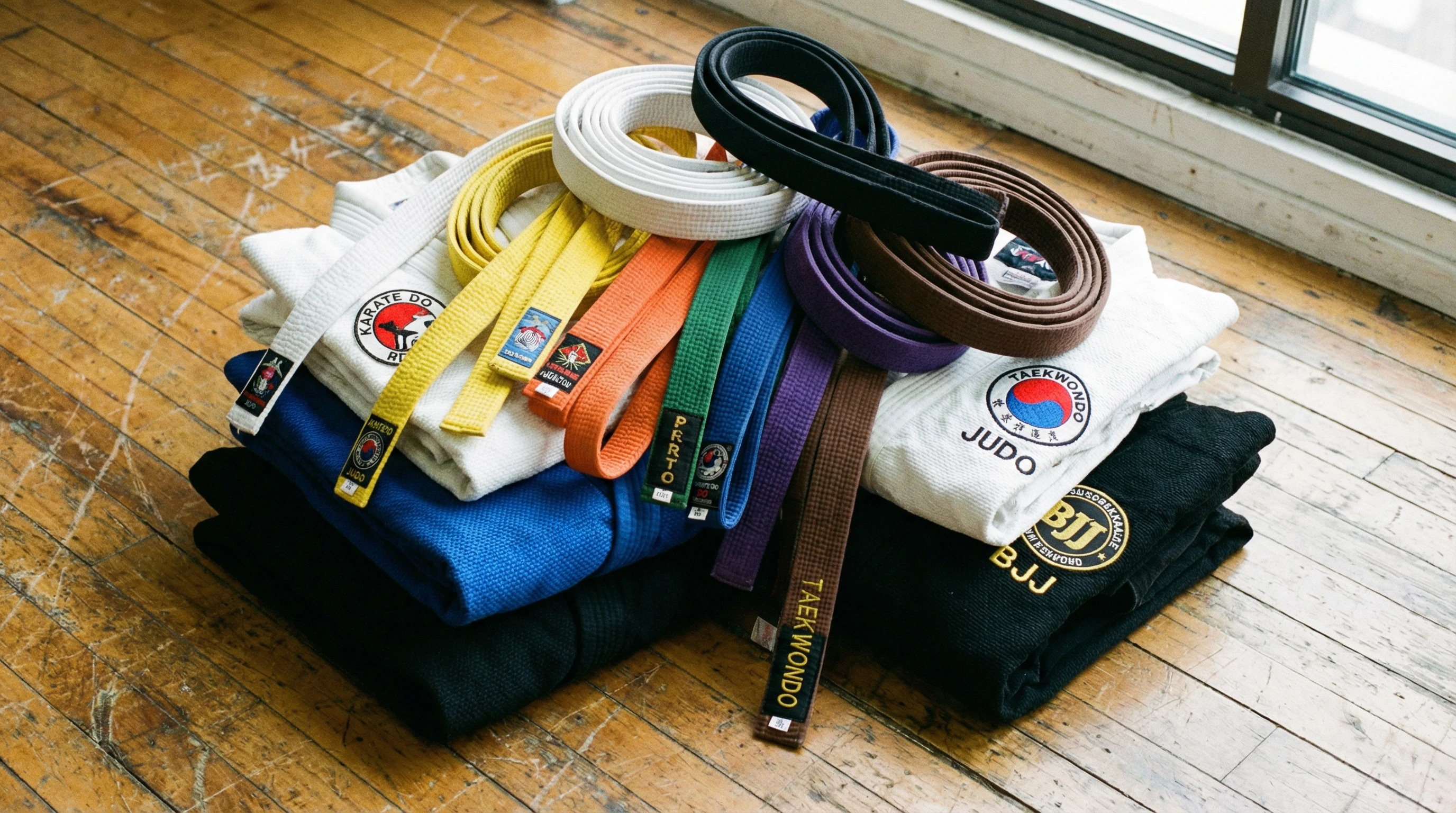
Like many traditional martial arts, Chun Kuk Do uses a colored belt system. Advancement depends on your skill, attitude, and sometimes a demonstration of knowledge or community service. Earning each new belt gives students concrete goals and keeps things motivating, especially for kids. This step by step ranking structure rewards consistency and perseverance, teaching valuable life skills along with martial arts techniques.
Physical Conditioning
Classes cover flexibility, cardio, and strength, but most workouts stick to moderate intensity with an eye towards keeping things accessible for all ages. Some drills will push you, but the program is designed for people with different abilities and fitness levels. For those who want to take their conditioning up a notch, additional strength training or cardio outside class can complement the curriculum well.
Some Questions People Often Ask
People interested in Chun Kuk Do compare it to more mainstream martial arts, wondering about practical details. Here are a few questions I hear a lot:
Question: Is Chun Kuk Do good for real world self defense?
Answer: Chun Kuk Do combines stand up defense, joint locks, and escape skills, making it really practical for basic self defense needs. If you face an experienced grappler or trained striker, having some crosstraining will help. Most people become much more confident and capable after just a few months in Chun Kuk Do, even if they start out with little martial arts experience.
Question: Can I compete in tournaments if I train in Chun Kuk Do?
Answer: Yes! Chun Kuk Do students often join open martial arts tournaments, and the system encourages cross-training to make sure students aren’t caught off guard by new techniques. The curriculum itself builds up to sparring and demonstrations so students can safely compete if they want. In fact, participation in tournaments is often seen as an excellent way to test your skills and meet martial artists from other backgrounds.
Question: Does Chun Kuk Do require special equipment?
Answer: Basic classes need only a uniform (gi or dobok) and a belt to start. Sparring gear is usually needed later, and some schools bring in pads or grappling mats for safety, but the initial cost is much lower than something like MMA or boxing. Over time, as you progress, you may want to invest in mouthguards, gloves, and foot protection for advanced drills and sparring.
Tips for Getting the Most Out of Chun Kuk Do
If you decide Chun Kuk Do fits your style, here are a few ways to make your training more enjoyable and rewarding:
- Stay open minded: Embrace different techniques and ideas. Don’t be afraid to check out seminars, workshops, or even other styles on the side. Chun Kuk Do encourages lifelong learning.
- Set personal goals: Whether you want to improve flexibility, lose weight, or just feel more confident, a clear goal can keep you fired up when training gets tough. Tracking your progress with written notes or a training journal can help you stay on course.
- Take care of your body: Stretching, rest, and good nutrition play a big role in how fast you progress, especially if you’re grinding through classes multiple times a week. Listening to your body and addressing injuries promptly is essential for steady improvement.
Chun Kuk Do isn’t just about knowing how to punch and kick. It weaves together practical techniques, mindfulness, and growth. The style’s flexibility and strong values make it worth checking out if you want a mix of skills, not just a single discipline, all in a friendly, supportive community. Whether your goals are self defense, fitness, or character development, Chun Kuk Do has something to offer for every martial artist.