
KF (Kung Fu) is a wide world all on its own. Rather than being one single style, the term covers hundreds of different martial art systems that grew out of Chinese traditions. I’ve spent plenty of afternoons talking with fellow martial artists about the forms, lineages, and philosophies that shape what we see today. So, if you’re curious about the variety of Kung Fu styles—how they’re organized, what makes them unique, and how to start your own adventure—this all-in-one guide will give you a clear path in.
Understanding the Basics: What is Kung Fu?
Kung Fu translates to “skill achieved through hard work” and describes not just fighting ability, but also dedication, study, and practice over time. When it comes to martial arts, Kung Fu usually refers to fighting systems that originate from China, and each school comes with its own history and approach. Many styles find inspiration in ancient philosophies like Confucianism, Taoism, or Buddhism, so you end up seeing a mix of physical technique and mental discipline.
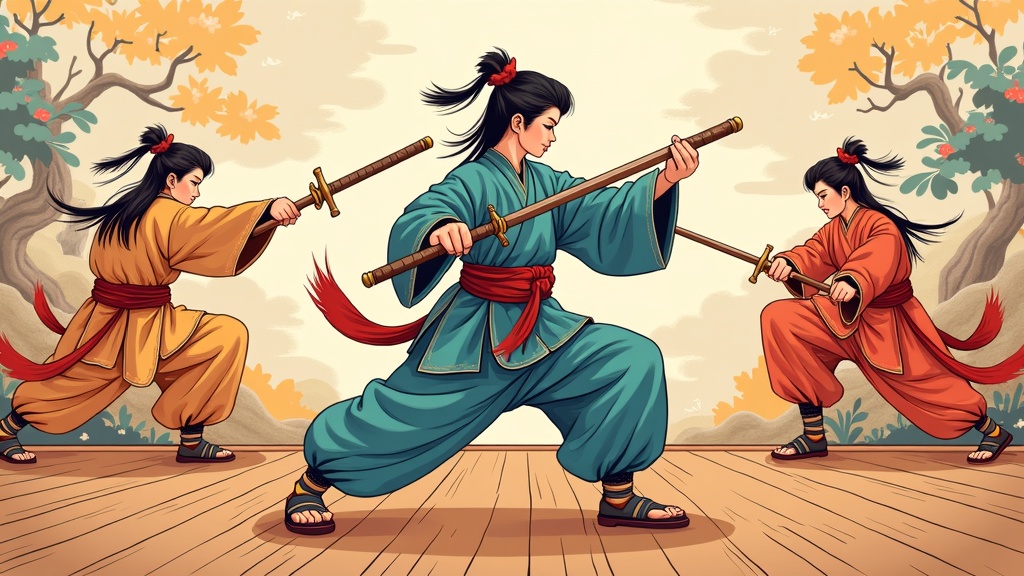
Kung Fu systems often borrow moves and tactics from nature. Crane, tiger, monkey, and snake styles all try to capture attitudes and motions from animals. On top of that, the weapons used—like staffs, swords, and hookswords—have long histories and require different training programs to master. Even the uniforms and forms performed in class have specific meanings tied to their origins.
Types of Kung Fu Styles
The world of Kung Fu styles gets pretty deep and super detailed. Most people group the main styles based on either where they come from (Northern or Southern) or by key characteristics (like hard or soft, internal or external, animal-based, etc.). Each approach puts the spotlight on different philosophies and physical traits.
- Northern Styles: Famous for big, extended movements, high kicks, sturdy stances, and routines that cover a lot of ground. Many routines were designed for use on battlefields or wide open spaces.
- Southern Styles: Known for solid stances, fast hand techniques, low kicks, and moves that work well up close. Training in the south often happened indoors or in smaller areas, which shaped the way these styles work.
- Internal Styles: These styles focus on breathing, relaxation, and qi (energy) flow. Movements may look gentle and slow, but there’s a real practical strength behind them.
- External Styles: All about physical conditioning, power, and speed. The forms here are usually explosive, and training is intense.
- Animal Styles: Inspired by the movements, strengths, and personalities of different animals. Watching a well-trained practitioner perform a tiger form versus a crane form can feel like seeing two totally different arts.
Popular Kung Fu Styles Explained
The number of Kung Fu styles can blow your mind, but a few have really stood the test of time and are widely practiced. So, I’m breaking down the main styles you’ll hear about most often.
- Shaolin Kung Fu: Probably the most famous style. This is both a family of styles and a symbol of Chinese martial arts overall. Developed by monks at the Shaolin Temple, the training covers empty hand techniques, loads of weapons, acrobatics, and even traditional medicine.
- Wing Chun: Focused on simple, straightforward moves, Wing Chun is all about speed and practicality. Every strike or movement is designed to be efficient. The style’s centerline theory helps shield vital parts of the body while targeting weak spots in opponents. Well-known thanks to Bruce Lee and Ip Man.
- Hung Gar: A Southern style with powerful stances and hand techniques. Many forms find inspiration in the fighting attitudes of tiger and crane. Hung Gar also features lots of both solo and partner drills.
- Choy Li Fut: This style mixes Southern hand techniques and Northern kicks and sweeps. It’s great for students who want a rounded approach to both striking and footwork.
- Tai Chi (Taiji Quan): Although sometimes labeled mainly as a health exercise, Tai Chi is a martial art. Training involves slow, continuous movements paired with breathing. Hardcore practitioners put it to work for self-defense, and it’s great for balance, flexibility, and easing stress.
- Five Animal Styles: Based on the tiger, crane, leopard, snake, and dragon. Each animal has its own strategy and way of moving, which shapes the drills and philosophy of the style. Some schools focus on just one, while others blend them together.
How to Start Training in Kung Fu
Jumping into Kung Fu may feel a little overwhelming with all the choices out there, but getting started is easier than it looks:
- Check Out Local Schools: Visit gyms or dojos in your area. Watch a few classes, talk to instructors, and see if you get a good vibe. Every school has its own feel. Some are more traditional, while others zone in on competition or self-defense.
- Find a Style That Fits: Consider your goals. Want strong, athletic training? External Northern systems like Shaolin Kung Fu could be for you. Looking for practical self-defense? Wing Chun or Hung Gar deserve a look. If health, mindfulness, or low-impact work calls you, internal styles like Tai Chi or Bagua are cool options.
- Gear Up: Kung Fu doesn’t need much at the beginning. Comfortable clothes, decent shoes, and an open mind are all you need. Stick with it, and you might get into hand wraps, uniforms, or special gear for weapons later on.
- Commit to the Basics: Like many martial arts, Kung Fu puts huge emphasis on basics—stances, footwork, and simple forms. Mastering these is worth more in the long run than jumping to fancy moves early.
Common Challenges in Kung Fu Training
Every new adventure comes with its hurdles, and Kung Fu is no different. Here’s what I’ve run into, along with some tips for tackling them:
- Flexibility: Some stances and kicks won’t feel natural at first, but patience and stretching definitely help.
- Memorizing Forms: Learning long routines packed with unique moves can be tough at first. Breaking them down into smaller chunks and practicing regularly helps fix them into muscle memory.
- Coordination: Hand and foot movements may feel awkward at first, but repeating them smooths things out. Many folks even record themselves to spot areas that need tuning up.
- Language and Tradition: Many schools use Chinese terms and hold tight to tradition. Asking questions and doing a bit of your own reading makes classes less mysterious and more welcoming.
Flexibility and Strength
Stances really are the bedrock of Kung Fu, and they can be held for long periods during training. When I got started, my legs stayed sore for weeks. But stick with it, and you’ll see better flexibility and lasting strength, which help keep you injury-free in the long run.
Memorizing and Practicing Forms
Even though forms (or “kata” in some other martial arts) can feel repetitive, each one comes packed with lessons about power, timing, and discipline. Regular practice and getting feedback from classmates can make the process way smoother.
Respecting the Art
KF brings a lot of tradition and etiquette to the table—showing respect for teachers, other students, and even the training space itself. Bow at the start or end of class, keep your uniform tidy, and take feedback with an open mind. It all makes for a better learning environment.
More Tips for Succeeding in Kung Fu
After you’ve been training for a bit, some strategies can help boost your progress:
Stay Consistent: Showing up for class regularly is hands down the best way to improve. Kung Fu is a marathon, not a sprint.
Mix In Other Training: Pushups, jogging, yoga, or even other martial arts can round out your strength and flexibility. Quite a few Kung Fu athletes like to blend in cross-training for balance.
Ask Questions: Never hesitate to ask. Most instructors are more than happy to share what they know, and fellow students often have great advice from their own experience.
Track Your Progress: Write notes after class, record your forms, or keep a fitness log. Watching your growth can keep you motivated when results come slow.
Real-World Applications of Kung Fu
KF training isn’t only for self-defense or performing in tournaments. Students often stumble upon huge benefits, from sharper focus to better fitness. Here’s what I’ve gained through the years:
- Health and Wellness: Better balance, flexibility, and heart health. Internal styles can help tone down stress and build total body awareness.
- Self-Discipline: Sticking with regular training plants good habits that can stretch into school, work, and life outside the gym.
- Community: Many Kung Fu schools feel tight-knit, and you’ll meet people from tons of backgrounds. School events or tournaments make great ways to make friends and practice together.
- Confidence: Learning new skills, handling setbacks, and working your way up brings a sense of confidence that can shine through in your daily life.
Frequently Asked Questions
Students at every stage often ask the same questions about Kung Fu:
Question: Do I need to be in shape to start Kung Fu?
Answer: Not at all. Most schools welcome all fitness levels, and classes themselves will help you build strength and stamina over time.
Question: How long does it take to get “good” at Kung Fu?
Answer: It depends on your training schedule and what you’ve done before. Some folks pick up the basics in just a few months, while it may take years for mastery. The real key is enjoying the process and giving yourself time.
Question: Is Kung Fu useful for self-defense?
Answer: Absolutely, most styles cover effective self-defense moves, but it does take regular practice to use them confidently under pressure. Some self-defense classes also mix in Kung Fu basics as a big part of their lessons.
Wrapping Up
Kung Fu is a massive universe that brings together tradition, movement, philosophy, and community. It offers a space for everyone, whether you’re drawn to martial arts heritage, chasing a new way to stay fit, or just on the lookout for something fun. No matter which style grabs you, the magic really starts the moment you step onto the floor and start your own adventure.