Martial arts might seem all about kicks, punches, and discipline, but for me, it’s straight-up one of the best stress relievers out there. After a tough day filled with back-to-back meetings, tight deadlines, and all the usual chaos, stepping onto the mat is almost like hitting a reset button. A solid training session, whether it’s sparring, forms, or just drilling basics, leaves me feeling loose, refreshed, and like a weight has lifted off my shoulders. If you’re searching for a natural way to ease stress and improve your mood, martial arts training is definitely worth considering.
How Martial Arts Helps With Stress Relief
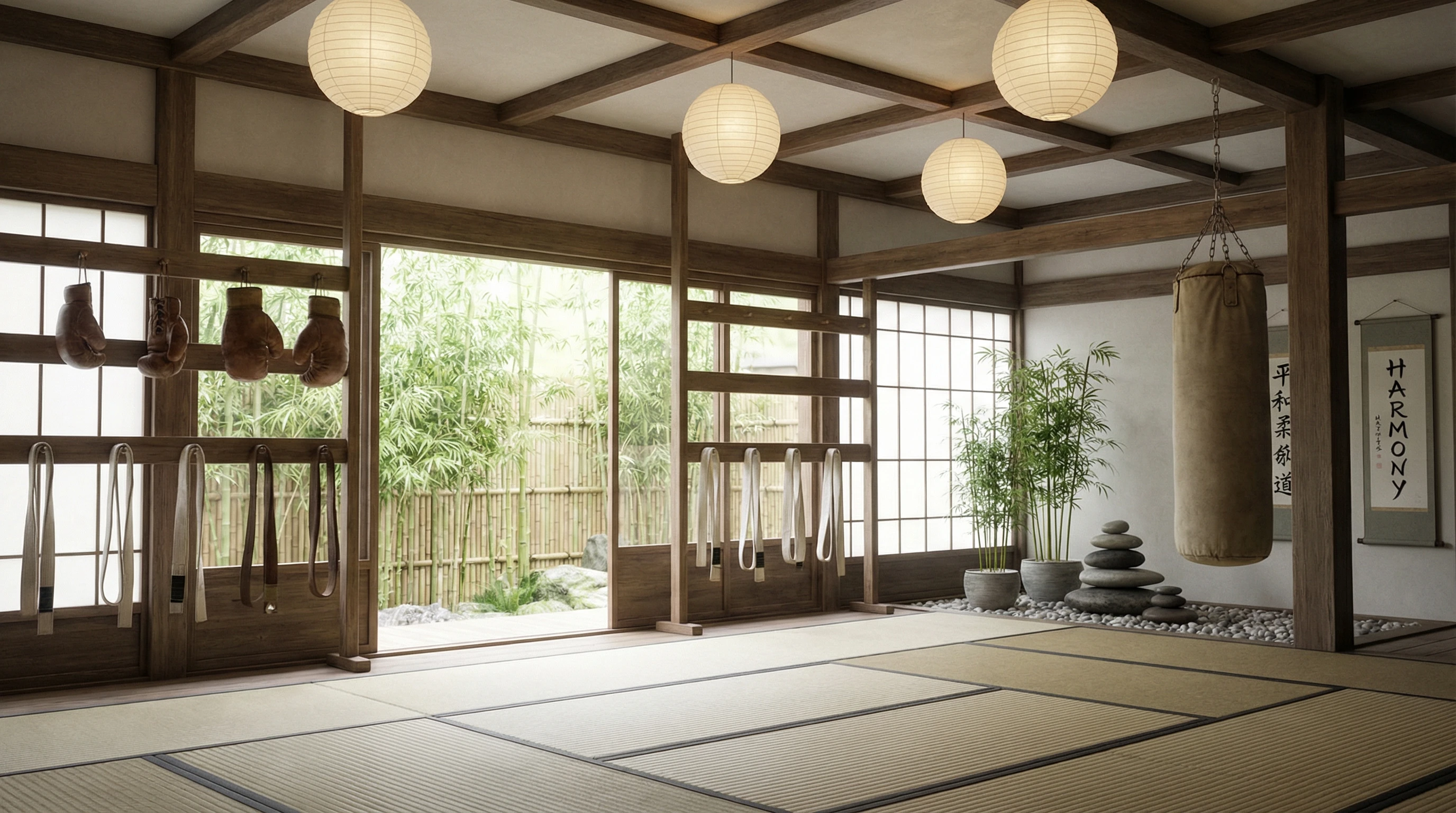
As soon as I walk into the gym or dojo, all the stuff spinning in my head starts to fade. The focus shifts from whatever’s on my mind to the here and now movements. Martial arts helps manage stress by combining mindful movement, focused breathing, and physical intensity. Each of these elements brings its own unique calming effect.
Practicing forms or learning a new technique means you really have to pay attention. This mental challenge keeps distracting thoughts at bay. Add in rhythmic breathing with full-body movements, and it’s not long before I find myself in a much better headspace, even if I walked in feeling overwhelmed. There’s something pretty transformative about channeling all your energy into learning a new kick or mastering a combination.
Getting Started: The Basics You Need
If you’re new to the idea of martial arts as a stress buster, it’s good to start simple. You don’t need loads of equipment or experience. Most gyms or dojos will gear their beginner classes to fit people with all kinds of backgrounds and fitness levels.
Here’s what I recommend focusing on as a beginner looking for stress relief:
- Choose a Martial Art: Find something that interests you – whether it’s karate, Brazilian jiujitsu, taekwondo, or boxing. Most styles offer beginner-friendly classes.
- Comfortable Workout Clothes: At the start, just wear comfy gym gear. Eventually, you might need a gi or gloves depending on your style.
- Focused Mindset: Show up with an open mind and be ready to try something new. Everyone starts somewhere.
Training for stress relief doesn’t require elite athleticism. The only thing that really matters is showing up and being present for yourself.
My Experience: Stress Melts Away After Training
One of the things I love most about martial arts is the instant difference I notice after a tough workout. I can walk into class feeling wound up and agitated from work or life issues, but by the end of class, I’m so much more relaxed. My muscles feel looser, my mind is clearer, and honestly, my mood is way better. There’s just something satisfying about hitting pads or focusing on a challenging drill that makes everyday stress seem way less important by the time I head home.
This isn’t just my experience; I know plenty of other students who say the same thing. On tough days, I know I’ll leave class feeling lighter and more relaxed, no matter how rough I felt before stepping in.
Why Martial Arts Eases Stress
There’s actually quite a bit of scientific research backing up how physical activity, especially mind and body practices, helps reduce anxiety and stress. Here’s why martial arts is super helpful:
- Physical Exercise: All that kicking, punching, and grappling gets your body moving, which triggers endorphin release (those feelgood hormones that help lower stress levels).
- Mental Focus: Martial arts requires concentration. You can’t be worried about work while you’re defending a takedown or zoning in on a complex form. The mental effort needed crowds out anxious or negative thinking.
- Controlled Breathing: Most classes will include breathing techniques, whether you realize it or not. Slow, steady breaths help calm the mind and body. Even just taking a few deep breaths before attempting a new drill helps center your focus.
- Social Support: Training with others creates a sense of community. Having a circle of people who get what you’re going through can make a huge difference to your daily stress levels.
Source: Harvard Health on exercise and stress reduction.
Quick Guide: How to Use Martial Arts for Stress Relief
Martial arts practice can be tailored to fit your life and your personal goals for relaxation. Here are a few practical steps to make the most out of your training, especially if stress relief is your main focus:
- Pick a Style That Appeals to You: Whether that’s striking, grappling, or something with weapons, choose something that’s fun. The right style helps you look forward to training.
- Don’t Worry About Skill Level: Stress relief is for everyone, so beginners are welcome. Each class is a new opportunity to shake off stress.
- Stick With Beginners’ Classes: These classes focus more on learning and less on competition, which helps keep things from getting overwhelming.
- Pay Attention to Breathing: Slow your breathing, especially during tough drills or sparring rounds. Calming breaths settle both your nerves and your mind.
- Reflect After Class: Spend a few moments after training noticing how you feel. Savor that feeling of looseness and relaxation.
I’ve found these steps help me get the biggest mental benefits from every class, and others at my gym have told me they notice similar results.
Things to Watch Out for When Using Martial Arts as Stress Relief
Martial arts training is usually a safe and positive experience, but there are a few things to keep in mind to make sure it stays effective for stress relief. Here are some tips based on what I’ve seen and experienced myself:
- Overtraining: It’s easy to get a little carried away. If you train too hard, you might end up feeling burnt out instead of relaxed. Make sure to rest, stretch, and stay hydrated.
- Comparing Yourself to Others: Every student learns and progresses at a different rate. Try to stay focused on your own experience, not whether you’re keeping up with someone else.
- Choosing the Right Atmosphere: Not all gyms or classes have the same vibe. Look for a welcoming and supportive environment. If a class feels too competitive or stressful, it might not be the best fit for relaxation.
- Taking Injuries Seriously: Listen to your body. If something hurts or feels off, let your instructor know. Being mindful about injury prevention keeps your training stress free and enjoyable.
The Importance of Balance
All stress relief methods work best when combined with a balanced lifestyle. Martial arts training can be a huge help, but combining it with good sleep, solid nutrition, and time for relaxation is really important for the best results. It’s also useful to remind yourself that too much of anything—even something healthy—can cause fatigue or resentment, so keeping your training as something you enjoy is key.
Finding Your Routine
Whether you train once or five times a week, just being consistent with it helps build up the stressbusting benefits. Even one class after a rough week can be enough to take the edge off, while sticking with it over time can help make stress less overwhelming in general. Think about how your schedule looks, and aim for a steady rhythm so that training becomes a familiar, enjoyable part of your week, instead of another obligation.
Advanced Tips for Maximizing Stress Relief
After you’ve been training for a while, you might want to ramp up your results. Here are a few things I’ve learned from both instructors and training partners that really work:
Develop a PreClass Ritual: Arriving a little early and stretching quietly or just sitting and focusing on your breathing can help you clear your head before class starts.
Learn About Meditation or Mindful Practices: Some martial arts integrate meditation or yoga stretches as warmup or cooldown. Even five minutes of mindfulness before or after class can deepen that relaxed feeling.
Mix Up Your Training: Try supplemental activities like shadow boxing, bag work, or even slowpaced flow drills at home. Sometimes, moving at your own pace can be just as relaxing as the intensity of class. You can also check out simple martial arts videos online that focus on slow movement and breathing. These can help you unwind at home during a stressful day.
Set Small Goals Each Session: Focus on mastering one new move or improving your breathing. This keeps the experience fresh and rewarding without adding stress about progress.
Using these techniques, I find I get more consistent benefits, even during weeks when life outside the gym is a bit hectic. Not only does my training help with stress, but it keeps me motivated and engaged in other areas of life too.
Common Questions About Martial Arts for Stress Relief
Here are some questions that often come up from people thinking about martial arts training for stress management:
Question: Do I have to be in shape before starting?
Answer: Not at all! All levels are welcome. Classes are usually organized so everyone can participate, and progress comes with practice.
Question: How often should I train to notice a difference?
Answer: Even one class a week can make a big difference. The key is consistency, but don’t worry if you can only fit in a few sessions here and there.
Question: Will martial arts help with anxiety as well as stress?
Answer: Many students, myself included, find martial arts helps both. The mix of physical activity, social support, and mindful moments helps calm both mind and body.
Question: Which martial art is best for stress relief?
Answer: There isn’t a universal best. Some people love the rhythmic, flowing movements of tai chi, while others prefer the energy release from kickboxing or karate. Try different styles to see what fits your personality and lifestyle best.
Why I Keep Coming Back
Martial arts training isn’t just about learning to defend yourself. It’s also one of the most reliable ways I’ve found to deal with the daily grind. The physical movement, mental discipline, and group camaraderie give me a clear break from stress and help reset my mood. Every time I finish class, feeling looser, calmer, and happier is a clear reminder of why martial arts is such a steady part of my week. If you’re searching for a practical, fun, and social way to handle stress, martial arts is definitely worth checking out. Whether you’re just starting or already years into your training adventure, martial arts continues to be an unbeatable tool for keeping stress in check and boosting your wellbeing.