Martial arts have a rich and varied history across the globe. From precise, ritualized movements to all-out combat systems, each culture has woven its own values and styles into unique fighting traditions. Whether you’re a movie buff or simply curious, it’s eye-opening to see how martial arts sprouted from ancient needs for survival and evolved into sports, disciplines, and ways of life. So, here’s my take on the origins of these disciplines, bringing together famous styles from Japan, China, South Korea, Brazil, and Israel.
The Roots of Martial Arts in Ancient Societies
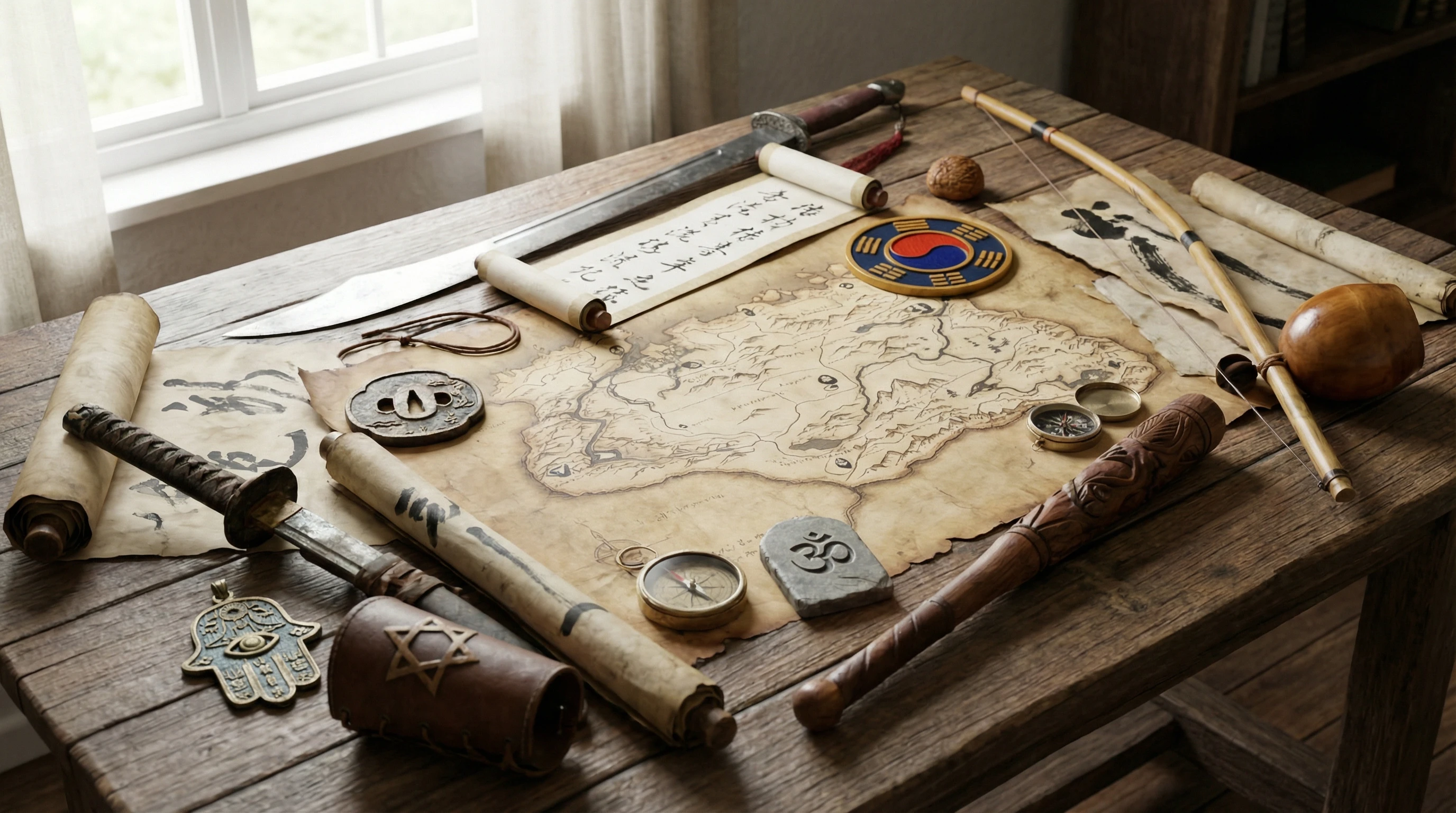
Martial arts didn’t just appear out of nowhere. People have needed to defend themselves, hunt, and settle conflicts since the earliest days. These skills were also a big deal for warriors, shaping how battles played out and how societies protected themselves. Over time, self-defense practices picked up spiritual, ritual, and artistic elements, turning into the famous styles we know today.
Different regions put their own stamp on martial arts. Climate, culture, tools, and local beliefs all played a role. While written records from ancient times can be fuzzy, archaeological finds and old texts help piece together how these practices spread and developed. Some, like traditional Chinese arts, popped up thousands of years ago. Others, like Brazilian and Israeli styles, really started forming in the last century.
Besides combat and survival, martial arts often reflected a society’s outlook on honor, duty, and conflict resolution. In some cultures, warriors and monks handed down secret techniques, maintaining traditions for generations. As civilizations traded and interacted, they often borrowed and mixed techniques, making each region’s martial heritage unique but connected to a wider history of human movement and creativity.
Japanese Martial Arts: Discipline and Tradition
Japan is pretty legendary in the world of martial arts. When I think of Japanese styles, words like discipline, respect, and precision come to mind. These fighting systems grew alongside the samurai and Buddhist monks, focusing heavily on both the mind and body.
- Jujutsu: This one started as battlefield grappling. Samurai used it when swords broke or battles turned close-quarters. Jujutsu is all about throws, locks, and using an enemy’s force against them.
- Karate: Born on Okinawa, karate mixes Chinese influences with local island fighting. It’s well known for its powerful punches, kicks, and solid stances. Modern karate’s spread owes a lot to 20th-century teachers traveling the world.
- Judo: Judo grew from jujutsu but took out the roughest moves. It’s a sport focused on leverage, throws, and pins, making it a big name in the Olympics.
Japanese martial arts often emphasize kata (forms), etiquette, and personal growth just as much as self-defense. Many also focus on how everyday life can be improved through their values of respect, perseverance, and mindfulness. This approach gives martial arts a place not only in dojos or rings but also in Japanese schools and workplaces.
Chinese Martial Arts: Rich History and Flow
Chinese martial arts, often called kung fu or wushu, have some of the oldest written records. These systems often have beautiful, flowing moves and are closely tied to Chinese philosophy, health (think: traditional medicine), and legends.
There’s a huge range here—from the punchy and acrobatic styles of Shaolin monks to softer arts like tai chi. Some well-known forms include:
- Shaolin Kung Fu: Developed in Buddhist monasteries, Shaolin arts shaped many other Chinese and even Japanese styles. Think high kicks, powerful stances, and spiritual growth.
- Wing Chun: This is a close-range, rapid-fire style. Wing Chun is famous for chain punches and sticky hand drills. It’s said to be developed by a woman, which was rare in martial history.
- Tai Chi Chuan: Soft, slow, and meditative on the surface, tai chi actually comes from older fighting forms. Today, it’s mostly used for health and relaxation, but it still has roots in self-defense.
Chinese martial arts aren’t just about fighting; they blend in healing, meditation, and philosophy, making them a holistic adventure for practitioners. Many Chinese styles also focus on forms imitating animal movements—like tiger or crane—reflecting deeper connections to nature and myth. Practicing these arts links students both to their internal well-being and their culture’s storytelling.
Korean Martial Arts: History, Hard Kicks, and National Identity
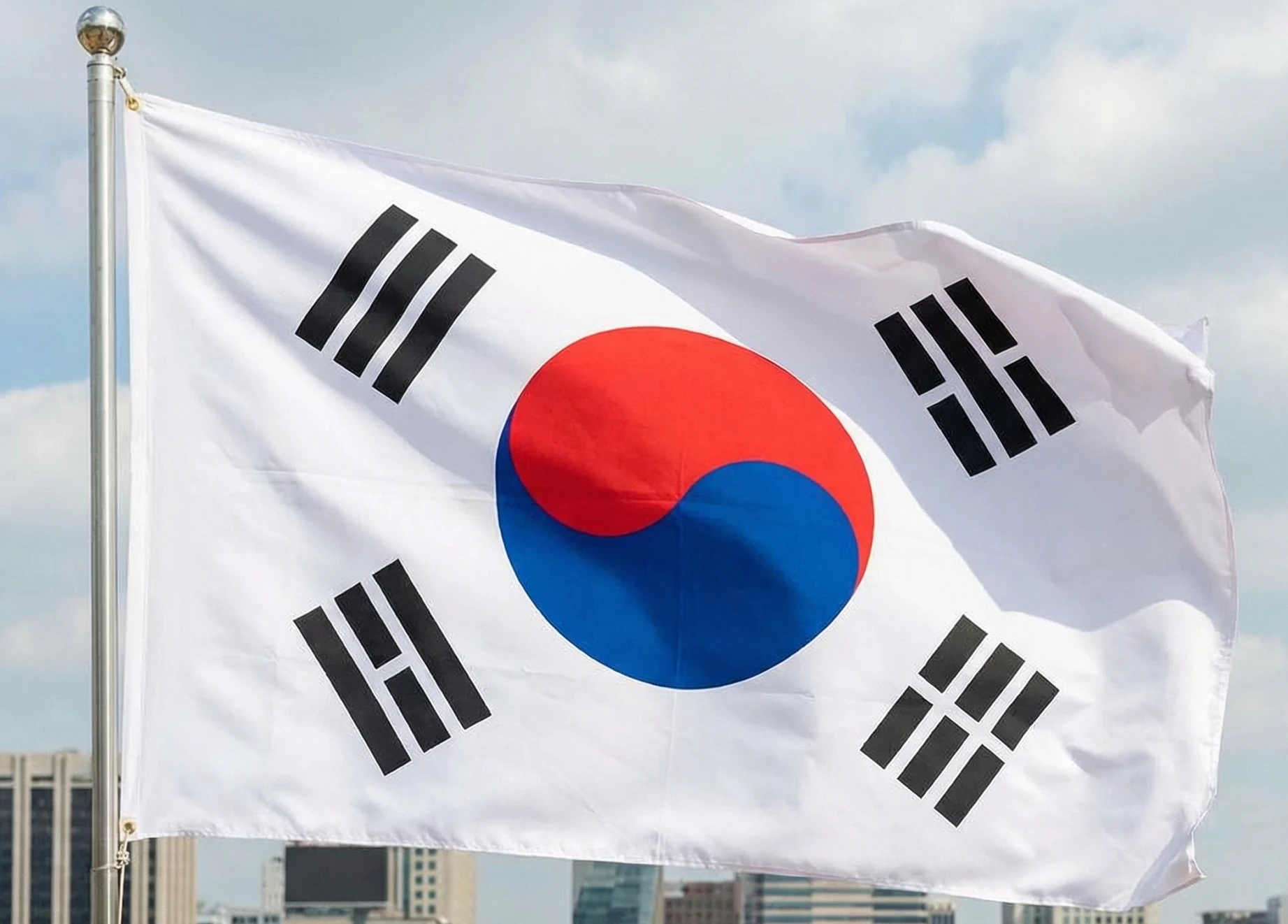
Korean martial arts have ancient roots, stretching back to the days of tribal warriors and dynasties. Over time, they’ve kept their own flavor, especially with super high, dynamic kicks. During the Japanese occupation, some native styles went underground, but later, they reemerged and adapted.
- Taekwondo: Probably Korea’s biggest martial arts export, Taekwondo developed after World War II, but it’s based on much older Korean and Chinese and Japanese techniques. It’s famous for head-height kicks, jumping spin moves, and competitions. It became an Olympic sport in 2000.
- Hapkido: Bridging hard strikes with wrist locks and throws, Hapkido mixes energy redirection (aikido style) and tough kicks. It’s pretty well known among police and self-defense circles.
- Taekkyeon: A traditional, dancelike art focusing on fluid footwork, sweeps, and low kicks. It’s recognized as an Intangible Cultural Heritage by UNESCO, which I think is pretty cool.
Korean martial arts often carry deep meaning about endurance, respect, and personal improvement, and have helped shape national identity. They also play a role in community festivals and public events, serving not just as sports but as elements of cultural pride and unity. The energy of Korean forms, especially taekwondo demonstrations, is eye-catching and draws crowds, adding a next-level cool factor to national ceremonies.
Brazilian Martial Arts: Blending Cultures and Creativity
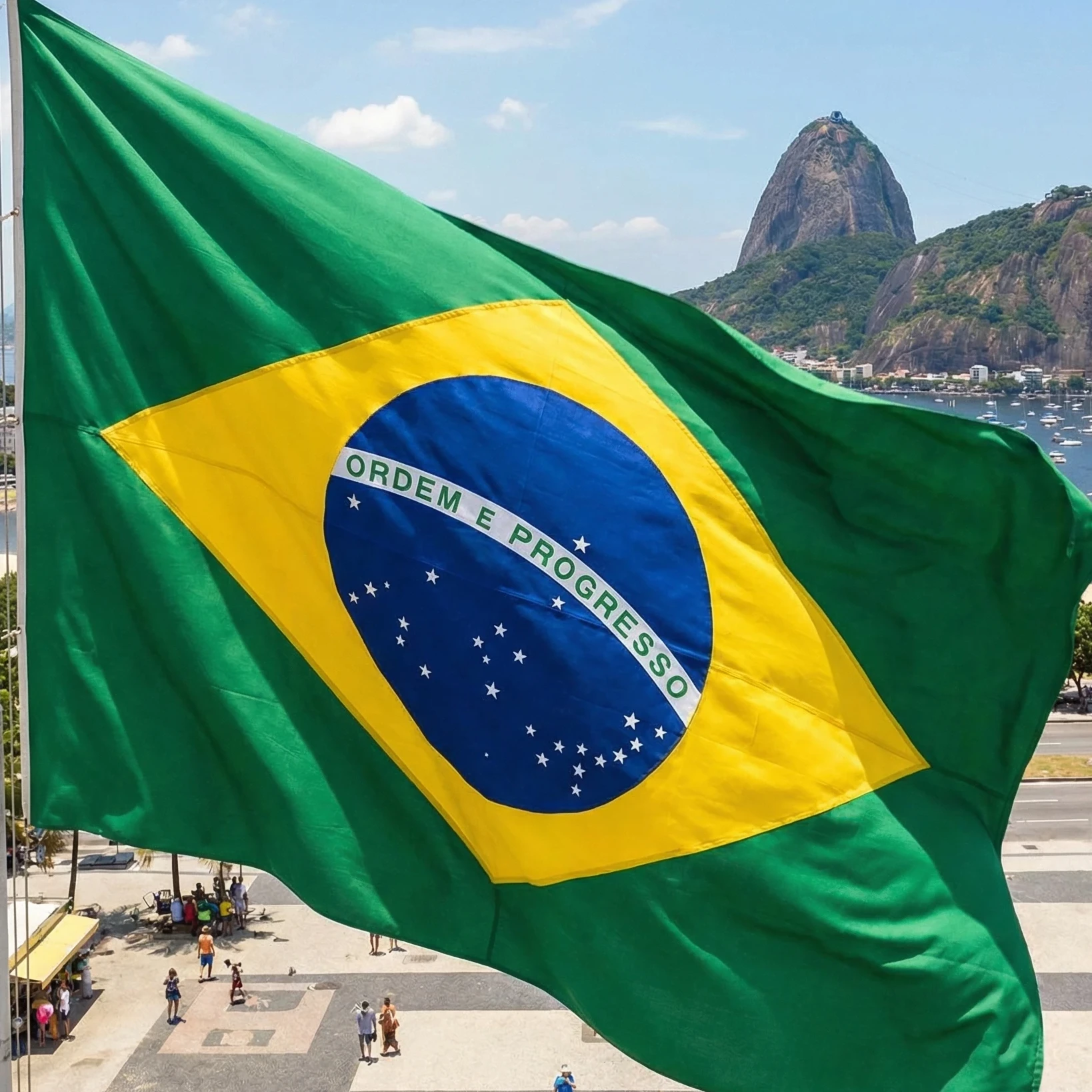
Brazil might surprise a few people here. Its fighting styles blend African, Portuguese, indigenous, and even Japanese influences. In Brazil, martial arts often cross into dance, games, and sport.
- Capoeira: Capoeira grew from enslaved Africans in Brazil who disguised fighting drills as dance and music. The rhythmic, acrobatic moves make it stand out at any demo or festival. Today, capoeira includes kicks, sweeps, cartwheels, and musical instruments, celebrating resilience and creativity.
- Brazilian Jiu Jitsu (BJJ): BJJ started with the Gracie family learning Japanese judo and jujutsu then adapting it. BJJ focuses on ground fighting, chokes, and submissions for self-defense and competition. Even MMA pros look to BJJ for its problem-solving, technique-heavy approach.
The Brazilian take on martial arts has changed how fights play out in everything from self-defense to global tournaments. Capoeira circles, or “rodas”, are gatherings where players jump into practice with live music and an enthusiastic audience, mixing in some variety that isn’t typical in other combat sports.
Israeli Martial Arts: Modern Self-Defense and Practicality
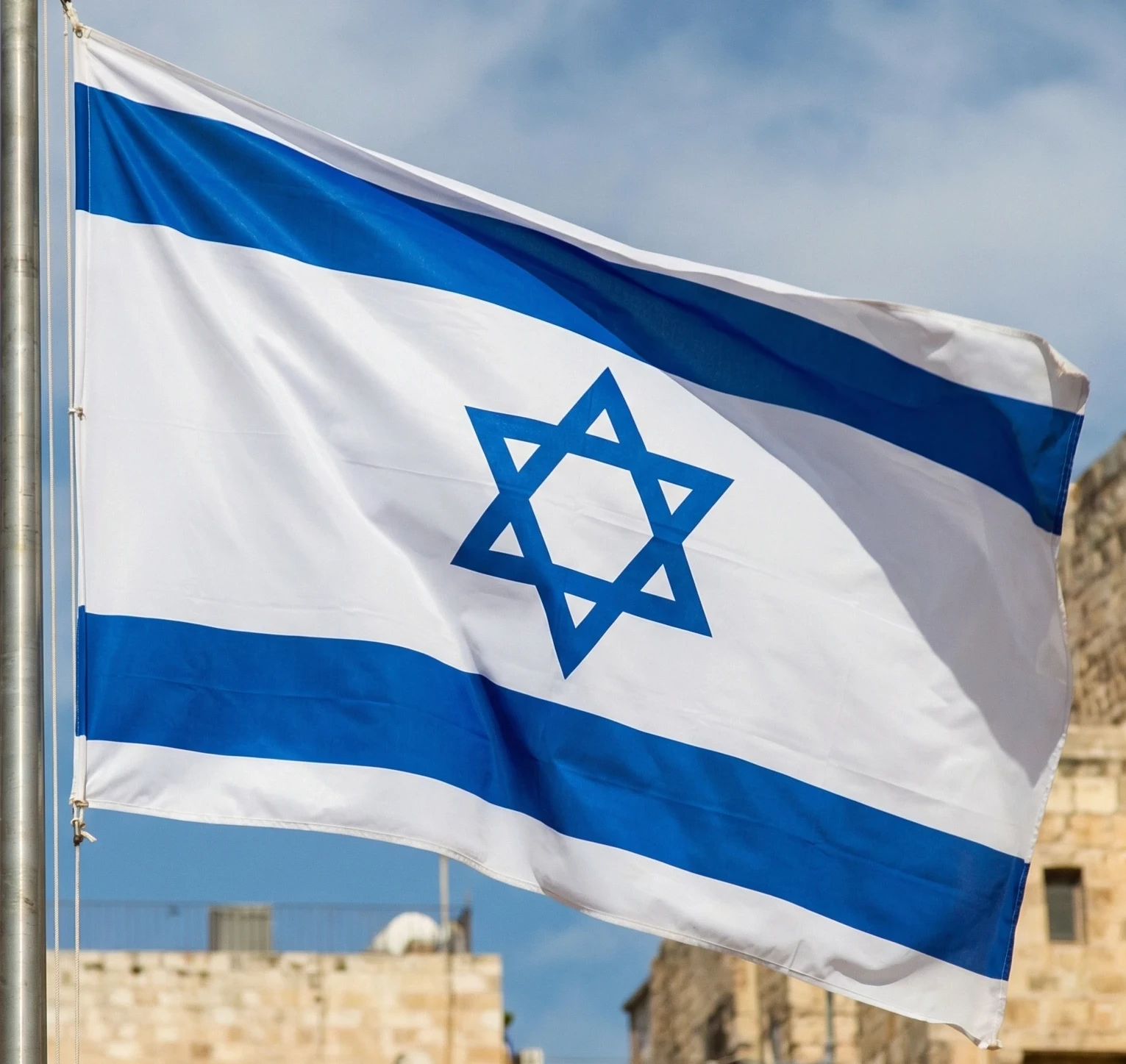
Israel’s martial art roots are much more recent, shaped by fast-changing times and unique security challenges. The focus here is on efficiency; moves need to work in real-life danger, not just in theory.
- Krav Maga: Developed for the Israeli military by Imi Lichtenfeld, Krav Maga is raw, direct, and constantly updating. There aren’t any choreographed forms here. Instead, you learn striking, escapes, weapon defense, and how to get out safe. Civilians, law enforcement, and military units worldwide use Krav Maga for its real-world effectiveness.
Many courses also cover situational awareness, making Krav Maga a practical pick for people wanting to feel safer in daily life. Its rise in popularity is tied to its straightforward, no-nonsense approach that gives a boost to anyone looking for fast, useful defense options. Training often emphasizes making quick decisions under stress and getting yourself—or others—out of risky situations safely.
Common Threads and Modern Practice
Martial arts have lots of faces. Some are ancient and spiritual, while others are fresh and practical. But there are shared ideas across nearly every discipline. Many styles stress respect, control, and discipline just as much as physical strength. Others focus on adaptability or building community through group practice or performance.
Modern martial arts aren’t just about historical roots. They’re used in sport, self-defense, entertainment, and fitness. Events like the Olympics and MMA tournaments help keep them growing, mixing old traditions with new moves from all over the world.
- Fitness: People of all ages use martial arts to stay fit, improving flexibility, coordination, and strength. Even office workers take up classes to shake off desk job stiffness and boost overall health.
- Confidence and Mental Health: Practicing martial arts teaches patience, focus, and stress relief. These benefits show up outside the dojo or gym, too. Young people gain confidence, while adults tap into emotional balance and resilience.
- Community: Many gyms and schools offer a supportive vibe where students learn together, share culture, and grow lasting friendships. Regular gatherings, gradings, and open mat sessions give everyone a chance to set goals and stay sharp.
There’s also a global impact—as martial artists travel or share videos online, moves and philosophies spread like wildfire. You might step into a studio halfway around the world and stumble upon techniques borrowed from another culture.
Questions People Ask About Martial Arts Origins
Curiosity about martial arts isn’t going anywhere. I hear a lot of the same questions from friends and readers, so here are a few with some quick answers.
How old are the earliest martial arts?
Some forms like Chinese wrestling and stick fighting go back thousands of years, maybe as early as 3000 BCE. Most styles we see today trace their organized roots to a few hundred years ago, even if the techniques are ancient.
Are martial arts only about self-defense?
While self-defense is huge, many styles teach philosophy, character, and even spiritual development. They aren’t just about fighting; they’re about growing as a person.
What’s the difference between martial arts, combat sports, and self-defense systems?
Martial arts usually include tradition, etiquette, and forms. Combat sports are competitive (like judo, taekwondo, or BJJ tournaments). Self-defense systems, like Krav Maga, stick to quick, practical skills that work in emergencies.
Why do so many martial arts stress respect and discipline?
Respect and discipline are the backbone of lasting martial arts traditions. They help keep training safe, build character, and make sure advanced techniques don’t get used recklessly. Most teachers double down on these values from the start.
Can you start martial arts at any age?
Absolutely. Many schools offer programs from young kids through to seniors. It’s about personal progress, not just high-intensity competition, so you can set your own pace and goals.
Wrapping Up
Learning where martial arts come from opens up a world of history, culture, and personal growth beyond what you see in movies. Whether you’re drawn to Japanese kata, the philosophy of Chinese tai chi, the kicks of Korean taekwondo, the dance of Brazilian capoeira, or the raw practicality of Israeli Krav Maga, there’s something inspiring in each style. There’s still a lot to track down, and you don’t need to be an expert to start enjoying these traditions wherever you live. The world of martial arts is welcoming and packed with stories—jump in, and you might just stumble upon your next adventure.