
Mixed Martial Arts, or MMA, stands out as one of the most talked-about sports on the planet. It takes the best from striking and grappling disciplines and puts them into a format that keeps fans on the edge of their seats. What started as a fringe contest for martial artists to test their styles against one another has turned into a full-blown global phenomenon. Here, I’ll track down what’s behind the skyrocketing popularity of MMA in modern competition, how it’s changed over the years, and what makes it so engaging to watch and to train in.
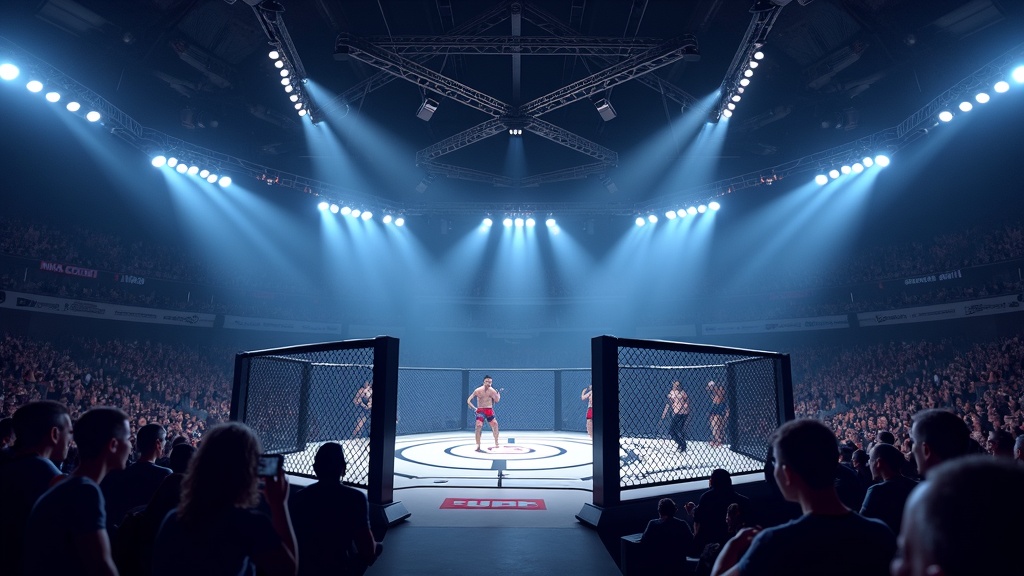
How MMA Evolved Into a Global Force
MMA’s roots stretch back further than you might think. Long before the UFC took over TV networks, fighters had been mixing martial arts styles for decades. Early forms were kind of wild. Think Vale Tudo in Brazil or Japanese Shooto events, where just about anything was allowed. When MMA hit the mainstream with the first Ultimate Fighting Championship in 1993, fans got a raw, unscripted look at what happened when different styles collided. The image of a grappler winning against a kickboxer or a wrestler pulling off an unexpected submission drew massive attention.
What really turned things around was a switch in the rules and presentation. The introduction of weight classes, time limits, and gloves made the sport safer and far more accessible. As MMA switched from a one-night curiosity into an organized competition with leagues, teams, and a season-like rhythm, the influx of serious athletes and loyal fans ramped up.
Media coverage, streaming, and international events quickly made MMA a sport with a true global footprint. Countries worldwide began producing top talent, and fans everywhere got hooked on the action. As a result, MMA moved from smoky backroom fights to primetime events in packed arenas. This shift signaled a fresh start and sky-high potential for athletes and spectators alike.
Why MMA Connected With Fans Everywhere
MMA’s appeal crosses over because it taps into something primal about human competition. Everyone wants to see who’s got the upper hand when all the rules are stripped back. The mix of strategy, toughness, and unpredictability makes every fight unique. Add a string of personalities who know how to sell a fight, and you have a recipe for excitement that’s hard to match in traditional sports.
Social media has seriously cranked things up. Fighters act as their own promoters, calling out opponents, streaming workouts, or showing the grind behind their training camps. That level of access makes it easy for fans to feel connected to fighters in a way that’s super rare in professional sports. The viral moments, post-fight interviews, and heated faceoffs all build up hype with each new showdown.
This new digital landscape set the stage for high-impact rivalries, behind-the-scenes documentaries, and creative marketing campaigns. Fans now get a ringside seat to both the action and real-life stories inside the gym, building community and loyalty as they follow their favorite stars’ careers.
Key Components of Modern MMA Competition
Today’s MMA isn’t just about who can fight; it’s about who can adapt best under fire. Here are some core elements to keep in mind:
- CrossDisciplinary Training: Every top-level fighter now trains in at least three areas: striking (like boxing or Muay Thai), grappling (such as wrestling or jiujitsu), and cage control.
- Regulated Rulesets: Safety is a bigger priority than it used to be. Unified rules cover things like illegal moves, fight stoppages, and medical checks.
- Judging and Scoring: Fighters are scored on effective striking, grappling, cage control, and aggression. Knowing what judges look for adds a whole different layer of strategy.
- Professional Coaching Teams: Top fighters now surround themselves with coaches for strength, nutrition, tactics, and recovery.
This detailed prep turns fighters into complete athletes who need both explosive technique and a smart approach.
A Quick Guide to Training for MMA
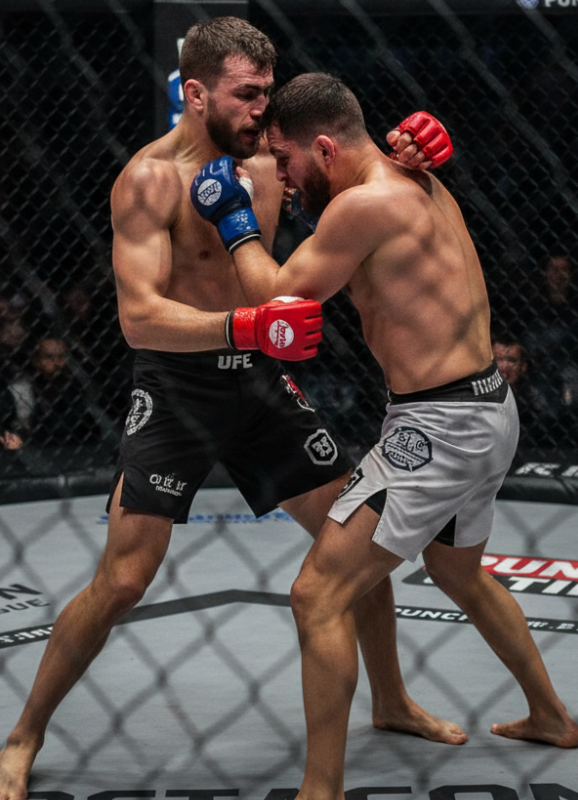
If you’re thinking about training in MMA, you don’t need to be a pro to get into it. Starting can be as easy as walking into a local gym that offers MMA classes or choosing a base style before branching out. Here’s a solid starting plan:
- Pick a Base: Begin with wrestling, Brazilian jiujitsu, Muay Thai, or boxing—these give you a foundation to build on.
- Work on Conditioning: MMA is tiring, so strength, speed, and cardio workouts are just as important as fighting drills.
- Learn the Rules: Every gym teaches the basics, including legal moves and cage awareness, so you train smart and safe.
- Spar With Control: Live sparring should be with experienced partners who can help you learn, so leave ego at the door.
- Embrace the Grind: Improvements come through consistent training and learning from mistakes, not quick wins.
Building up skills across these areas sets anyone up for progress, whether you aim to compete or just seek a serious workout. Some athletes blend styles for fun, while others pick one discipline to master before expanding their skillset. Either way, steady effort offers tangible results.
Things to Think About Before Joining MMA Training
Jumping into MMA training brings some challenges, especially if you’re brand new. Here are a few important things to look at:
- Injury Risks: This isn’t like golf; bumps and bruises are part of the deal. Good gyms focus on safe training and give guidance on rest and recovery.
- Time Commitment: Getting good takes a serious chunk of time, both for classes and solo training.
- Cost: Memberships, gear, and private lessons can add up. Entry-level classes are usually more affordable, so it pays to compare local options.
- Culture and Atmosphere: MMA gyms each have their own vibe. Some are super competitive while others focus on community. Try a class before signing up longterm.
Injury Risks
The physical side of MMA means you’ve got to protect yourself from sprains and strains. Wearing mouthguards, hand wraps, and headgear during tough sparring is a must. Learning to tap early when stuck in submissions keeps things safer for everyone.
Time Commitment
Becoming comfortable with MMA skills is like preparing for a triathlon, not just picking up a hobby. Fighters spend hours drilling technique, hitting pads, grappling, and running. Setting a regular schedule, and not overdoing it, sets the stage for lasting improvements.
Cost
There are some upfront expenses. Gloves, shinguards, rashguards, and gym fees are standard. Some gyms offer trial classes, which help newcomers get a feel for the routine without committing right away. Public reviews and recommendations are handy when shopping around for value.
Culture and Atmosphere
Some MMA gyms run intense, competitive training, while others focus more on overall fitness or youth programs. Checking out different spots helps you find a gym where you feel welcome and driven to improve.
Being aware of these points helps newcomers have a safer and more enjoyable time as they dip their toes into MMA training.
Advanced Tips for Fans and Students of MMA
Once you know the basics, jumping deeper into the technical side of MMA is pretty satisfying. Try out these practice tips and key things to watch for if you’re looking to get better or enjoy the sport on a whole new level:
Study Fight Footage: Watching fighters break down techniques or analyzing matches sharpens your eye for strategy. Many streaming platforms and YouTube channels have high-quality footage and commentary you’ll want to check out.
Why This Helps: You get insight into decision-making under pressure, which holds just as much value as physical preparation.
Drill Transitions: Repeating the transitions between striking, clinching, and groundwork builds confidence and fluidity. Often, these are the moments when a fight changes hands.
Focus on Recovery: Rest days, mobility work, and proper nutrition are big for long-term progress. Athletic growth is built on staying healthy, not just going all-out all the time.
Paying attention to these simple yet powerful basics steps up your appreciation for MMA’s technical side, whether you’re training hard or kicking back as a fan.
What Gear Makes a Difference in MMA?
Proper equipment can really give a boost to anyone training or competing in MMA. From mouthguards and gloves to training mats and recovery tools, the right gear adds both safety and performance.
I’ve found that good breathable training clothes and well-fitted gloves make a major difference in comfort. Jump ropes and focus mitts help with speed and accuracy. Many gyms now offer recovery tools like foam rollers or massage guns, helping with soreness after tough sessions.
- Personal Safety: Mouthguards, headgear, hand wraps, and shinguards keep you safer during training.
- Performance Gear: Gloves, breathable clothing, jump ropes, and agility ladders assist in building fight skills and athleticism.
- Training Equipment: Heavy bags, pads, and grappling dummies let you work on solo drills and specific techniques.
Getting set up with solid gear helps you focus on technique and getting better instead of worrying about discomfort or risk of injury. Spending a little extra on the essentials pays off in the long run, especially for those planning to train often.
Common Questions About MMA
Here are a few questions I get from people just starting MMA or getting interested in the sport:
Question: Can anyone train MMA or do you need a background in another sport?
Answer: MMA is open to everyone. Beginners often start with zero experience and build skills over time. Your mindset and consistency matter the most.
Question: Are there age limits or concerns for starting MMA?
Answer: MMA gyms usually offer youth, adult, and sometimes seniors’ classes. Check out local options, and keep in mind that instructors often adjust training to be safe and inviting.
Question: How is MMA different from traditional martial arts?
Answer: MMA blends striking, wrestling, and submissions so it adapts to almost any situation. Traditional martial arts often focus on one core area rather than mixing several together.
Bringing It All Together: The MMA Boom
The rise of MMA has switched up the sporting world, making martial arts both more accessible and more respected. Whether you’re hoping to compete, get fit, or just watch some next-level cool fights on weekends, the world of MMA can offer something for you. It’s exciting to see where it’s headed, and even more fun to be a part of its wild adventure.