
Rest and recovery might not be the most exciting topics in martial arts training, but they’re super important for anyone who wants to stay healthy, strong, and make real progress. No matter your style or skill level, balancing tough sessions with proper downtime is a game changer. I’ll unpack what makes rest and recovery so valuable, how it works hand in hand with your other workouts, and some practical tips that have helped me and others.
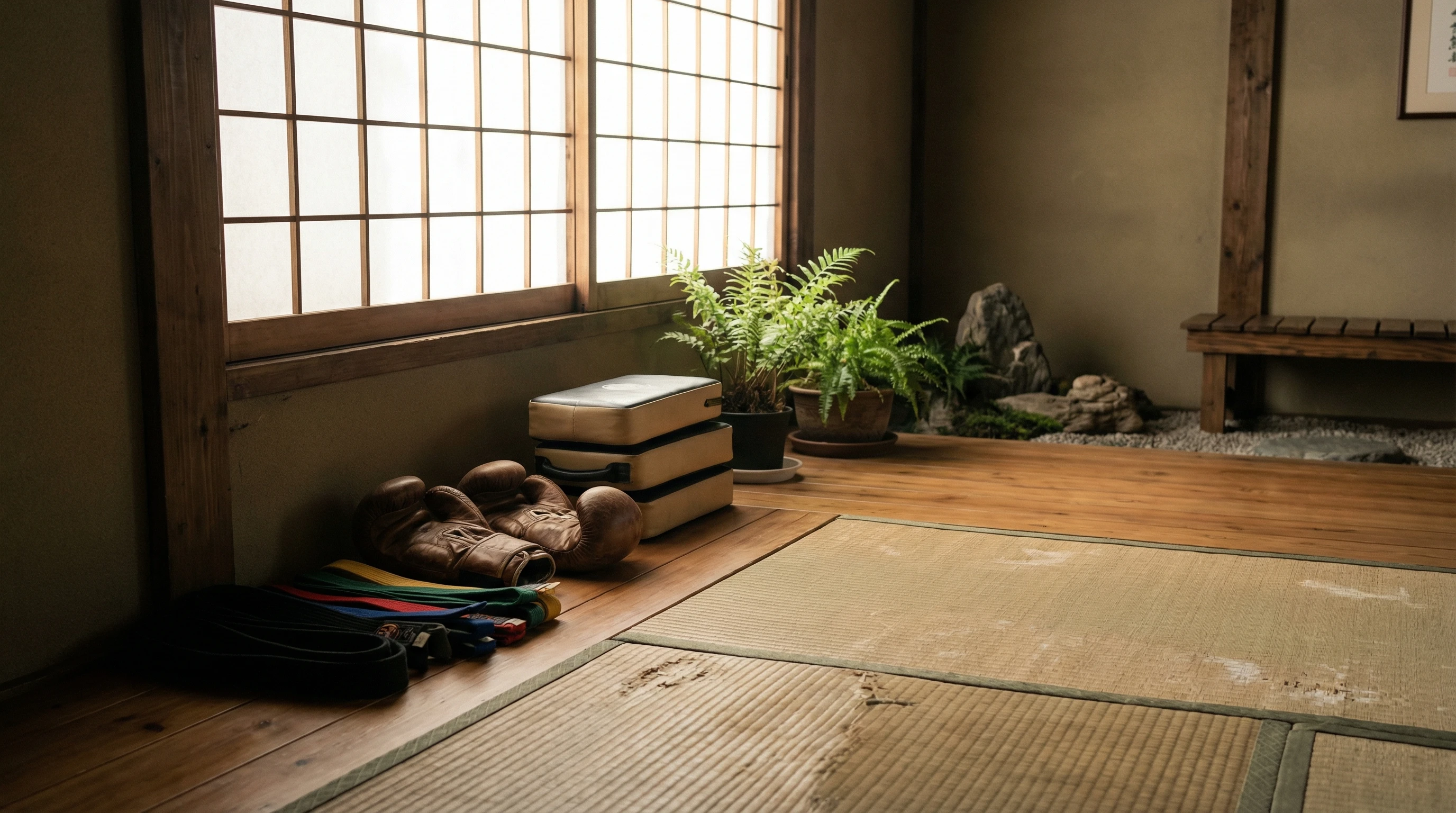
The Importance of Rest in Martial Arts Training
When people think about martial arts, they usually picture intense sparring or tough drills, not taking a break on the mats. But your body actually needs that downtime to repair and get stronger. Training hard creates microtears in your muscles, drains your energy, and puts stress on your nervous system. Without regular rest, things start to break down; injuries pop up, motivation drops, and gains slow down or even reverse.
Rest days are pretty handy for both your physical and mental game. Physically, they help your muscles recover and adapt, making it easier to come back for the next round stronger than before. Mentally, rest days help reduce burnout, ease anxiety, and keep motivation up. Pushing nonstop just isn’t sustainable, and everyone I know who’s trained long term swears by a regular recovery routine.
Types of Recovery
There are a few main ways to recover after tough sessions in the dojo or gym. Mixing and matching these types has worked wonders for me and loads of other martial artists.
- Active Recovery: This could be light shadowboxing, slow flow drills, or gentle yoga. The idea is to keep moving, but at a chill pace. It helps blood flow and reduces muscle soreness without overdoing it.
- Passive Recovery: Sitting back and letting your body relax; things like stretching, hot baths, or just sleeping in. Sometimes, the best move is really just to do nothing for a bit.
- Sleep: I can’t overstate how much quality sleep matters. That’s when the body does most of its repairing, especially if you’re training more than a couple times per week.
- Nutrition: Recovery isn’t just about time off. Refueling your body with the right nutrients, especially protein, carbs, and plenty of hydration, makes a huge difference in how quickly you bounce back.
A lot of martial artists also use techniques like meditation or deep breathing to give the mind a break and support recovery. Simple practices like focusing on your breath, even for just five minutes, help manage stress and reset your nervous system after demanding workouts. Over time, this adds up and leads to better focus and fewer injuries.
How Martial Arts Pairs With Conventional Workouts
It’s pretty common for martial artists to also hit the gym for strength or cardio. Mixing martial arts with classic workouts like running, swimming, or weightlifting can really improve your performance. But if you skip rest, results from both types of training take a hit. Muscle fatigue adds up fast, and that’s usually when technique slips and injuries happen.
When I train both lifting and martial arts in a week, I try to stagger hard days with recovery or lighter days. This means if I spar intensely on a Monday, I might only go for a steady walk or light stretching on Tuesday. Listening to your body helps you thread together big training weeks without running yourself into the ground. If you start to feel sluggish, moody, or notice nagging pains, it’s usually a cue to take more time for recovery.
The overlap of martial arts and conventional workouts can also leave you facing time management challenges. If you try to pack too much into one week, you risk not only feeling physically drained but also losing focus in the dojo. That’s why scheduling becomes just as important as the actual training. Planning ahead makes it easier to catch signs of fatigue before they develop into bigger problems. If your work or study schedule changes a lot, stay flexible with your recovery plans and adjust when necessary.
Common Recovery Challenges and How to Tackle Them
Martial arts brings its own unique recovery hurdles. Here’s what I’ve run into, and what I recommend:
- Overuse Injuries: Repeating the same movements over and over (like round kicks or grappling drills) can wear down joints and tendons. Mixing up your training, crosstraining, and focusing on technique over brute force help your body stay balanced.
- Not Enough Sleep: It’s easy to skimp on sleep after a night class, but even just one extra hour per night can boost your recovery big time.
- Poor Hydration: All that sweating needs to be replaced. Staying hydrated supports muscle repair and mental clarity, especially during long classes.
- Skipping Rest Days: Consistency is good, but nobody benefits from going all out every day. Regular, scheduled rest is tough to stick to, but worth it in the long run.
Another challenge comes from cultural attitudes. Some gyms or martial arts circles might treat constant hard training as a badge of honor. It’s easy to fall into the trap of thinking rest is weakness. But actually, taking recovery seriously shows discipline and commitment to improvement. It’s not lazy; it’s smart training.
Overuse Injuries
Almost every martial artist I know deals with nagging injuries from time to time. Rolling ankles, sore shoulders, and bruised shins are kind of par for the course. Mix up your techniques, swap stances, and take a break the second you feel sharp pain. When in doubt, ask a coach or see a sports physio. Taking a few days off now is way better than months off later.
Getting Enough Quality Sleep
If your martial arts routine includes evening classes, getting enough sleep can be tricky. Shutting down electronics about an hour before bed, doing some gentle stretching, or a quick breathing routine all help your body get into rest mode. Good sleep makes every part of training, not just recovery, a lot easier. Creating a bedtime ritual after class, such as taking a warm shower or reading, can help trigger rest and faster recovery, so you’re refreshed for the next session.
Hydration and Refueling
Martial arts training is sweaty work. If you’re not drinking enough water, you’ll feel it in slower reaction times and mental fog. I keep a big water bottle handy and drink before, during, and after sessions. Adding a bit of salt to your meals or using electrolyte drinks on really tough days can be worth it as well.
Don’t overlook the role of consistent nutrition. A quick post-workout snack that combines carbs and protein gives your muscles what they need to recover. It may be as simple as a banana and some yogurt, or a small sandwich. These little habits make a long-term difference in how you bounce back between sessions.
Scheduling Actual Rest
There’s a difference between ‘not training’ and truly recovering. Laying on the couch is nice, but something as simple as a walk outdoors, a gentle swim, or even laughter and hanging with friends can be just as restorative as time on the mats. I find mixing up both passive and active rest keeps things from getting stale. You might also try hobbies that help you unwind, like listening to music or spending time stretching and meditating for mental relaxation.
Practical Recovery Strategies for Martial Artists
Building recovery into your martial arts routine makes every part of training easier. Here are some things I’ve used:
- Plan Rest Days In Advance: Map out your week and slot in full recovery days right alongside your training. It helps cut out the guilt some people feel about not training nonstop.
- Use Recovery Tools: Foam rollers, massage balls, and even simple stretching routines go a long way after class. They boost blood flow and help your body wind down.
- Balance Your Workouts: Alternate between highintensity and lowerintensity sessions. Pair a hard sparring day with a skillfocused, slower technique session next time.
- Fuel Right: Getting enough protein helps muscles heal. Carbs and good fats support energy and general health. Whole foods, whenever possible, keep you going strong.
- Stay Mindful: Notice how your body feels before, during, and after training. Being aware of fatigue, pain, or stress can help you adjust and avoid burnout.
Applying these tips isn’t complicated; it just takes a little planning. I’ve found that even a few small changes in your routine can lead to better performance, fewer injuries, and a more enjoyable time training overall. Remember that it’s better to err on the side of caution. If you think you might need rest, take it—your progress won’t vanish from missing a session or two, but ignoring recovery can set you back weeks or months.
If you travel or have a packed schedule, try microrecovery breaks: quick moments for stretching, deep breathing, or just closing your eyes for a few minutes. Small adjustments add up and help you make the most of your downtime, wherever you are.
RealWorld Examples of Rest and Recovery in Action
It’s inspiring to see how top level athletes use rest just as seriously as hard training. A friend of mine who competes in Brazilian JiuJitsu takes one full day and one active recovery day off each week, mixing in yoga and long walks. His progress on the mat has stayed consistent for years, and he rarely gets sidelined by injuries.
Pro fighters and coaches will also track sleep, tweak their nutrition, and schedule massages or stretching sessions after big events. Even amateur martial artists in regular gyms now build in deload weeks, periods with lighter, easier training, to let bodies recover and skills lock in. Some teams swap sparring for film study sessions, shadow work, or light drilling to let the body recharge while the mind stays sharp.
It’s also common to see athletes adopt new technology, like sleep trackers or apps for guided stretching, to help stay on top of their recovery. Building good habits takes time, but with small changes you really can track down what recovery tools and routines make you feel and perform your best.
Frequently Asked Questions
Here are a few questions I hear a lot about martial arts recovery:
How many rest days should I take each week?
2 or 3 rest or light days per week works for many people, especially if your training is intense. Try things out and adjust based on your own recovery signs—fatigue, soreness, or mood.
Can active recovery replace total rest?
Active recovery is super useful and can sometimes substitute a full rest day, but sometimes your body just needs zero training. Listen to those signals and don’t be afraid to unplug completely.
What does a good recovery routine look like?
A good mix of rest, stretching, hydration, nutrition, and quality sleep. Bonus points for mindfulness, stress management, or activities like yoga or walking.
How do I know if I’m not recovering enough?
Pay attention to signs like constant soreness, sleep trouble, feeling weaker than usual, or losing motivation to train. If you notice these, add some extra downtime or check in with your coach about your schedule.
Final Thoughts on Balancing Martial Arts, Workouts, and Recovery
Getting the balance right between martial arts training, conventional exercise, and proper rest takes some trial and error, but it pays back huge rewards. By listening to your body, planning breaks, and focusing on recovery, you give yourself a better shot at progress, health, and lasting enjoyment in the martial arts adventure. The strong foundation you build outside the dojo supports every punch, kick, and roll you throw inside.
Great reminder that progress in martial arts doesn’t come only from grinding harder. I appreciate how clearly you explain the physical and mental costs of skipping rest, especially burnout and overuse injuries. The breakdown of active versus passive recovery, sleep, and nutrition makes recovery feel practical rather than lazy. I also liked the point about cultural pressure in some gyms to train nonstop—rest really is discipline, not weakness. Your examples of staggering hard days, deload weeks, and micro-recovery breaks are realistic for busy people. This post reinforces that longevity, sharp technique, and enjoyment all depend on recovery just as much as training itself. A thoughtful, balanced piece that every martial artist—beginner or advanced—should take seriously. It’s advice worth revisiting regularly throughout any training journey.
Thank you for writing this. As someone who has pushed too hard and faced injuries and burnout, this article resonates deeply. Your clear explanation of what happens in the body during recovery finally made the “why” click for me. Shifting my mindset to see rest as part of the training, not a break from it, has been transformative. This is essential wisdom!
This is a vital reminder for the martial arts community. We often focus so much on ‘mat time’ that we forget our bodies actually adapt and get stronger during the rest periods, not the training sessions themselves. I especially appreciated your point on active recovery. In your experience, do you think things like yoga or swimming are better for recovery than a total ‘couch day,’ or does it depend on the intensity of the previous rolling or sparring session?
Another great question, Leah. For me, it’s always been about balance. You really can’t do too much of one thing and not enough of another. The intensity of the workouts definitely plays a role. That’s why a lot of martial arts disciplines focus on active recovery and meditation. Yoga and tai chi are great forms of active recovery, as they focus on breathing exercises and precise movements in bringing your body and mind back to the center of consciousness. Swimming is excellent for recovery as the buoyancy of the water acts as a natural relaxer to the muscles. Even though active recovery is good after a workout, there are some days where your body is screaming at you: “Stop!” Above all else, listen to your body.