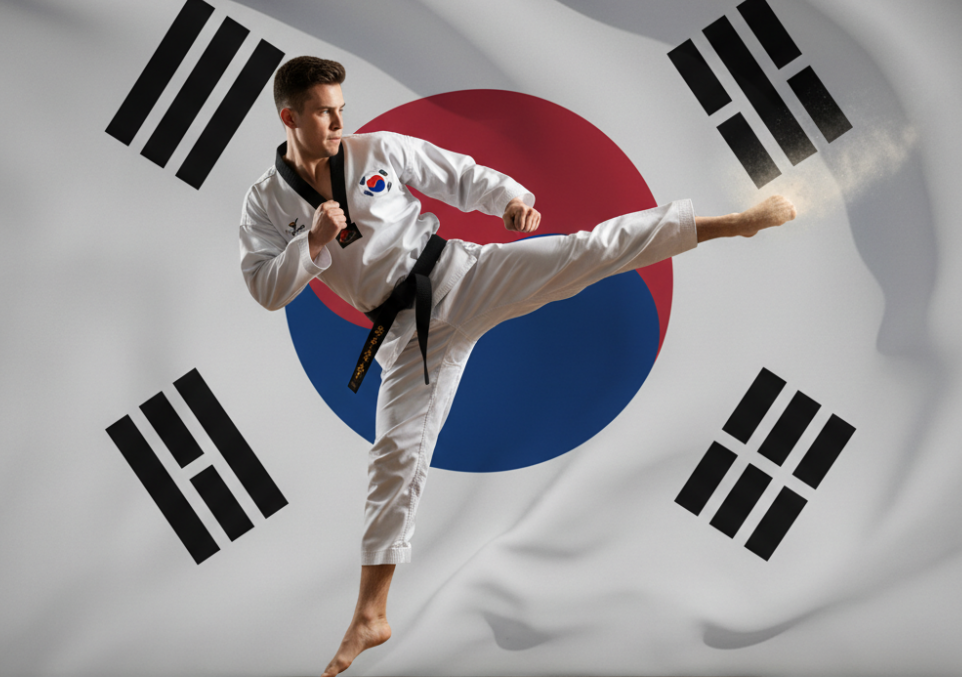
Taekwondo didn’t just pop into existence overnight. Its roots stretch deep into the rich soils of the Korean Peninsula. This martial art has been shaped over thousands of years, taking bits and pieces from traditional Korean martial arts like Taekkyeon and Subak. These ancient practices had a hand in molding the unique kicks and techniques that define Taekwondo today.
Back in the day, Korean martial arts were largely about survival. They were weapons in the ancient arsenal of Korean warriors. But as time marched on, these practices evolved into something more structured. This evolution really took off after the Korean War when the country wanted to establish a unified national martial art. That’s when Taekwondo started becoming something special, paving the way for its worldwide boom.
Culturally, Taekwondo is more than just a flurry of fists and feet in Korea. It’s a symbol—a marker that stands for perseverance, discipline, and the power of unity. You see it in movies, it’s taught in schools, and there’s a good chance you’ll catch a Taekwondo demonstration at any major cultural festival in Korea today.
If you’re diving into the world of Taekwondo, understanding its history gives you a better grip on why it’s not just a martial art. It’s a cultural fingerprint of Korea. Knowing where it all started opens up a deeper appreciation for the practice. It’s fascinating being part of something so timeless, don’t you think? Learning the origins isn’t just for kicks—it’s about enriching your journey and connecting with a global community.
The Principles and Tenets of Taekwondo
At the heart of Taekwondo’s practice are its five tenets: Courtesy, Integrity, Perseverance, Self-Control, and Indomitable Spirit. These principles aren’t just words you hear in the dojang. They’re a blueprint for living with character and purpose.
Courtesy in Taekwondo is about respect—respect for others, your instructors, and even yourself. Practicing this tenet means carrying those respectful habits outside the practice space and into daily life. It’s a reminder that actions, no matter how small, can have a meaningful impact.
Integrity in the Taekwondo world is all about being honest and morally upright. Whether you’re competing or practicing, integrity means being fair and maintaining a sense of justice. It’s about trusting yourself to do the right thing even when no one’s watching.
Then there’s perseverance, which teaches you to keep pushing forward, even when things get tough. It’s that inner voice saying “try again” when you miss that kick, or “one more” when you’re exhausted. Perseverance transforms obstacles into stepping stones, within or outside the martial arts world.
Self-Control is a biggie in Taekwondo, balancing the physical and mental aspects. It shows in how you control reactions, breathe through tough spots, and discipline yourself in every maneuver. Self-control extends beyond the mat—it’s managing responses in life, keeping calm in chaos.
Lastly, the Indomitable Spirit is about refusing to give up. It’s showing grit and strength in adversity. In Taekwondo, this spirit is cultivated through training and challenges, building a resilience that echoes in all life situations.
For many, these tenets are more than guidelines for Taekwondo—they’re lifelong lessons. Embracing them in practice carries over into everyday actions and decisions, enhancing personal growth and development. They’re reminders of why you started Taekwondo and how it molds you into a better version of yourself.
Mastering the Basics: Techniques in Taekwondo
Taekwondo’s magic lies in its techniques, a mesmerizing dance of kicks, punches, and blocks. These are the building blocks for anyone donning a dobok, ready to unleash their potential. The style emphasizes head-height kicks, jump kicks, and swirling spinning kicks that define its dynamic reputation.
The kicks aren’t just about showing off agility—they’re about precision and balance. Learning kicks like the roundhouse or side kick hones coordination and muscle control, sharpening both strength and grace. Punches, while not as flashy as the kicks, demand their own level of discipline, teaching power, accuracy, and timing.
Blocks in Taekwondo are your defensive shield. They’re essential for protection and are based on traditional movements that have been honed for effectiveness. Blocking involves a perfect blend of timing and energy management, crucial for staying safe in any encounter.
A central element in mastering Taekwondo is the poomsae, or forms. These are sequences of movements that mimic real-life defense and attack situations but are conducted solo. Poomsae are all about repetition, improving technique and ingraining muscle memory.
Training for these techniques follows a consistent regime that conditions the body and sharpens the mind. It’s about dedication—practicing drills, mastering the forms (poomsae), and sparring regularly. Each session is a step towards getting better, one day at a time.
Being consistent with training isn’t just for progression in skill. It reflects a commitment to Taekwondo’s principles, making this practice not just a physical pursuit but a lifestyle choice. The journey from learning basic kicks and punches to mastering the intricate forms is where you’ll discover more about yourself through the art.
The Art of Forms: Tang Geuk and Pal Gwe
Taekwondo forms, known as poomsae, are like the soul of practice, crucial in grounding one’s skills. Among these, the Tang Geuk forms stand out as the cornerstone for beginners, offering a structured approach to mastering the essentials. These forms help practitioners connect movements, ensuring mastery in the interplay between offensive and defensive actions.
The Tang Geuk forms aren’t just drills. Each sequence instructs on weight distribution, breathing techniques, and the flow of energy through the body. When practiced with dedication, these forms become seamless routines that engrain the fundamentals of balance and concentration.
Pal Gwe forms bring a deeper, more advanced level of understanding. Often introduced after mastering the basics, they delve into the intricacies of defensive and offensive strategies. These forms elevate the practitioner’s awareness of spatial dynamics and force application, threading more complex movements into the repertoire.
Beyond the physical, practicing forms like Tang Geuk and Pal Gwe provides a mental focus that translates into other areas of life. They offer moments of meditation through movement, encouraging mindfulness and mental clarity.
Engaging with these forms isn’t merely about reaching a destination. It’s about finding balance and harmony in the body and mind. Embracing the philosophy and spirit behind the forms can transform practice into a journey of personal discovery, embodying the essence and intent of Taekwondo.
Taekwondo in Modern Society: A Global Perspective
Taekwondo has taken the world by storm, not just as a martial art but also as a way to connect people across cultures. Its presence as an Olympic sport since 2000 has catapulted its popularity, putting it firmly on the global map.
Beyond the competition scene, Taekwondo serves as a powerful tool for cultural exchange. Schools around the world teach it, promoting its philosophy of respect and self-discipline. Practitioners come together in seminars and competitions, sharing skills and experiences that transcend language and geography.
In the global arena, Taekwondo has evolved into a bridge of diplomacy, fostering peace and understanding among nations. Programs promoting it as a form of soft diplomacy have been successfully employed, bringing communities closer.
The personal growth aspect of Taekwondo appeals to many. It’s not just the thrill of learning high kicks or mastering forms. Practitioners often find themselves more self-confident, disciplined, and focused. The transformation it brings to physical health is matched by the positive shifts in mental well-being.
Stories abound of individuals who credit Taekwondo with life changes. Whether it’s a kid who gains confidence from participating in a dojo or an adult finding balance in their life through practice, the personal narratives are as rich and varied as Taekwondo’s kicks.
Enthusiasts around the globe practice it for different reasons, but the core benefits remain universally appreciated—it’s about building a community, channeling energy positively, and finding peace within oneself while connecting to a wider world.
Taekwondo is more than a martial art; it’s a blend of physical skill, mental discipline, and Korean cultural heritage. Its dynamic kicks, precise forms, and core values like perseverance, self-control, and respect help practitioners grow both on and off the mat. Beyond fitness, Taekwondo builds confidence, focus, and a sense of community, making it a meaningful practice that connects people worldwide while fostering personal development.
Keep up the good work!
This post offers such a thoughtful and engaging look at Taekwondo’s history, philosophy, and global influence. I appreciate how you connect its ancient Korean origins to the modern principles that guide practitioners today. The emphasis on the five tenets really shows why Taekwondo is more than a martial art—it’s a pathway to personal growth and character. Your explanation of techniques, from foundational kicks and blocks to the deeper meaning behind forms like Tang Geuk and Pal Gwe, adds so much value for anyone exploring the art. I also love how you highlight Taekwondo’s role in building confidence, community, and cultural connection around the world. It reflects dedication and deep cultural pride. Reading this inspires practitioners and newcomers alike to appreciate the discipline, history, and meaningful life lessons woven into every aspect of Taekwondo practice.