The 20th century was a pretty wild ride for martial arts. Styles that were once guarded secrets traveled across borders, met new influences, and changed along with technology and global trends. If you’ve ever tried a martial arts class or just enjoyed action movies, you might be surprised at how much the arts have evolved over the last hundred years. I’ve really enjoyed tracing this adventure myself, so here’s a look at how martial arts grew and changed in the 20th century.
The State of Martial Arts at the Start of the 20th Century
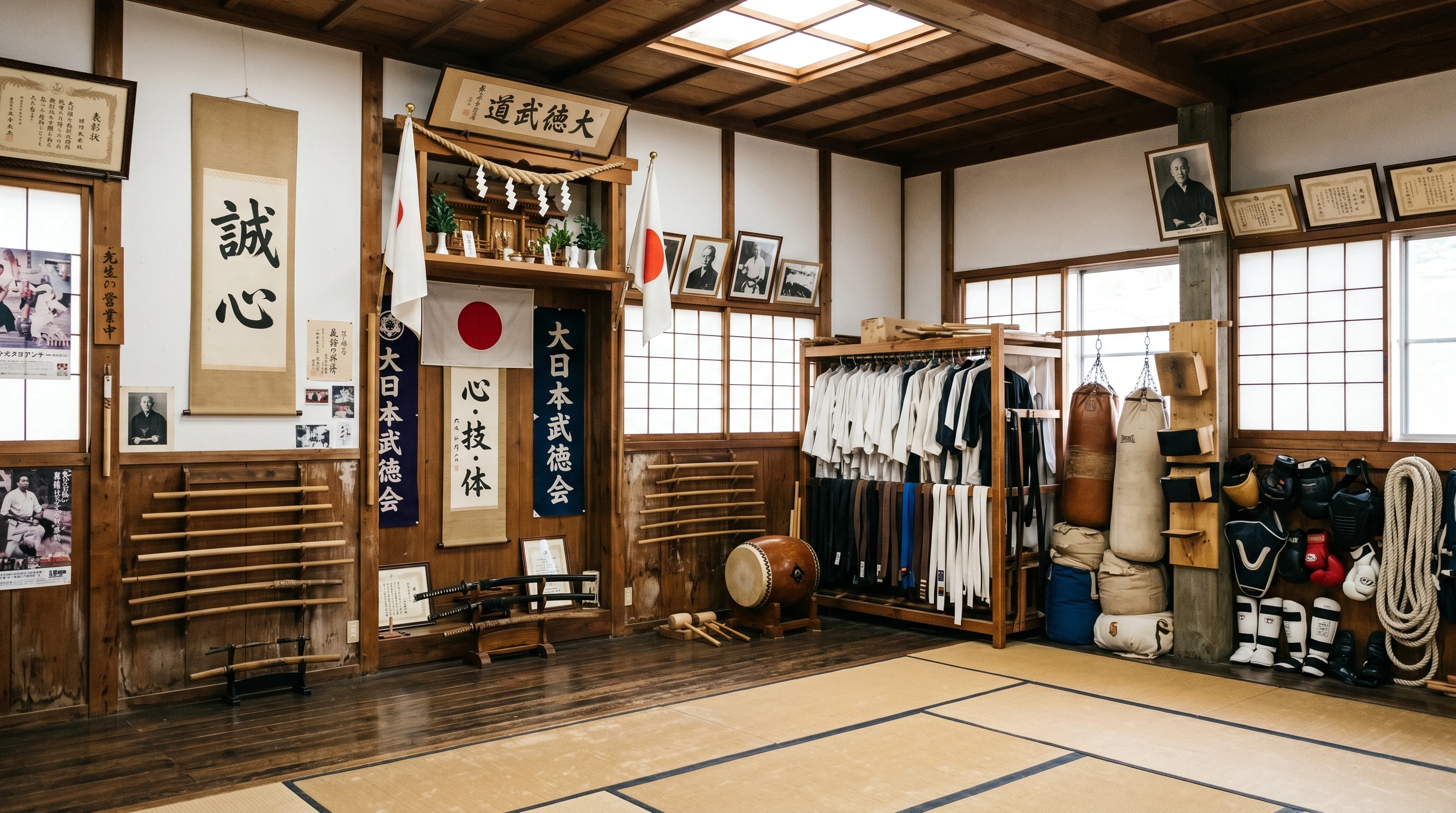
Martial arts have deep historical roots, going back hundreds of years or longer in countries like China, Japan, Korea, and others. At the beginning of the 1900s, many martial arts styles were still taught in private schools, family systems, or military circles. Knowledge was passed down closely and wasn’t always easy for outsiders to access.
In China, kung fu forms and wushu were closely linked to local traditions, families, and even temples. In Japan, samurai were already a thing of the past, but their legacy remained through arts like judo, jujutsu, and kendo. Korea was rediscovering and reforming its own styles after periods of occupation. Most people outside these parts of the world barely knew about martial arts, with maybe a vague idea from old travel stories or books.
World Events and Global Spread
The 20th century saw some really turbulent moments; wars, colonization, and big waves of migration. These caused people to move all over the globe, bringing their martial traditions with them. Soldiers and fighters encountered new systems during wartime, and some began mixing or adapting techniques to fit different needs.
The world wars, for example, led to Japanese judo becoming widely known as soldiers trained for self-defense. The Korean occupation inspired the development of modern Taekwondo. In the 1950s and ‘60s, immigration brought martial artists to Europe, the Americas, and beyond. This planted the seeds for local schools to open up and share those styles with a new audience.
The Birth of Modern Styles and Federations
Traditional martial arts involved more than just fighting; they often included philosophy, discipline, and a kind of life code. As these arts traveled worldwide, leaders founded federations and systems to standardize how techniques were taught. The idea was to make instruction clearer, promote competition, and help more people participate.
Here are some notable moments:
- Judo: Jigoro Kano, who built modern judo, helped turn old jujutsu into a more systematic, sport-focused art by 1882. By the early 20th century, judo had international competitions and became an Olympic sport in 1964.
- Taekwondo: After Korea’s liberation, local styles came together under the name Taekwondo. The International Taekwondo Federation (ITF) formed in 1966 and World Taekwondo came along in 1973.
- Karate: Karate entered Japan’s public schools in the early 1900s, then gained big recognition in the United States after World War II, opening the door for worldwide interest.
Martial Arts in Popular Culture and Media
Hollywood, Hong Kong cinema, and TV shows played massive roles in changing how the world viewed martial arts. Movies by Bruce Lee, Jackie Chan, and Jet Li brought kung fu to a global crowd; it went from a local tradition to a pop culture icon. Japanese martial arts appeared in manga, anime, and martial arts-themed films too.
By the 1970s, martial arts schools were appearing in strip malls and local gyms across the Western world. Movies like Enter the Dragon and the Karate Kid made training look next-level cool, fun, and even accessible to kids. The martial arts influence reached cartoons, video games, and even music videos, spreading enthusiasm far beyond just movie theaters and dojos.
Technological and Training Advancements
The creation of video recording, upgraded mats, improved gear, and scientific approaches to training made martial arts safer and more approachable than ever. Teachers could review fight footage, break down movements frame by frame, and offer better explanations to help students learn quickly and accurately.
Protective equipment made it possible to spar with less risk of serious injury. This allowed more people, including kids, to try martial arts without fear of getting hurt. Books, magazines, and later VHS tapes helped students access techniques from teachers all over the world. The arrival of the internet near the end of the century would soon open up even more sharing, creating video tutorials and discussion forums for anyone interested in learning.
Fusion, Cross-Training, and New Styles
The old idea of sticking with one style forever gave way to more open-minded training. Cross-training and hybrid martial arts became a big trend. Bruce Lee was a pioneer in this area, encouraging students to learn from different styles and adapt techniques that worked best for them; this led to his concept of Jeet Kune Do.
Mixed martial arts (MMA) as we know it started to appear in the late 20th century, with the first Ultimate Fighting Championship (UFC) event launching in 1993. The growth of MMA shed light on both the strengths and gaps in traditional martial arts and inspired teachers and students to cross-train in Brazilian JiuJitsu, Muay Thai, boxing, wrestling, and other systems. Many martial artists began blending traditional moves with new strategies, giving a boost to the flexibility and adaptability of the field.
Women in Martial Arts
Historically, many martial arts were run by guys. By the mid to late 20th century, more women were joining classes and rising to the top of their fields as competitors, teachers, and even founders of their own schools. The increased visibility of female martial artists in television and films has continued to inspire new generations to get involved, breaking down old stereotypes and barriers. Today, many top competitors are women who bring both skill and leadership to the martial arts community, motivating others to jump into training no matter their gender.
Challenges and Adaptations in the Modern World
- Commercialization: As martial arts schools multiplied, some critics argued that the focus switched from self-defense and tradition to pure business or sport. This is sometimes called the rise of “belt factories,” where earning ranks became more about paying fees than real skill or growth.
- Sport vs. Tradition: The rise of formal competition, especially in judo, taekwondo, and karate, changed training methods. For some, this emphasis on scoring points changed the core feel compared to traditional self-defense or deep personal growth.
- Keeping History Alive: Many schools and teachers still focus on preserving the philosophy, rituals, and values handed down over generations while modernizing to stay relevant to today’s students.
Key Martial Arts to Know from the 20th Century
- Brazilian JiuJitsu (BJJ): Built in Brazil from judo and traditional Japanese jujutsu, BJJ exploded in global popularity as grappling arts took off in MMA and self-defense circles.
- Krav Maga: This practical Israeli system gained international attention for its focus on real-life self-defense and straightforward techniques.
- Muay Thai: Thailand’s striking art became hugely influential, especially thanks to international competitions and its practicality in MMA.
- Capoeira: The Brazilian art that mixes dance, acrobatics, and attack/defense became better known as practitioners traveled and shared their unique style worldwide. Its blend of movement and music has caught the imagination of many outside Brazil too.
Real-World Examples
I’ll never forget seeing a local judo club in the heart of a small U.S. town, run by a former Olympic trainer. Students practiced alongside those learning Brazilian jiuJitsu, and you’d see people from every background swapping ideas. I’ve visited traditional dojos that keep to old rituals, and I’ve also watched innovative schools take up MMA training; sometimes it’s all under the same roof. This mix truly highlights how martial arts are both ancient and totally modern, all at once. Today, you might walk into a sunny gym in Los Angeles or a quiet basement in London and stumble upon teachers and students mixing Eastern wisdom and Western sports science, all while creating their own fusion styles. This passion for both heritage and new discoveries is what keeps martial arts alive and ever-changing.
Frequently Asked Questions
Question: Why did martial arts become so popular worldwide in the 20th century?
Answer: A mix of global travel, immigration, Hollywood movies, and publicized competitions made martial arts appealing to a worldwide audience. Improvements in transportation and communication also made it easier for teachers to move and open schools across the globe.
Question: Are traditional martial arts still relevant, or is MMA taking over?
Answer: Traditional martial arts remain really important for many people interested in discipline, fitness, and culture. MMA is popular, but lots of people enjoy cross-training and learning the history and values behind older styles.
Question: What’s the best martial art for self-defense today?
Answer: That depends on your goals and comfort level. Arts like Krav Maga, Brazilian JiuJitsu, and Muay Thai are all worth checking out for practical self-defense, but traditional systems can teach strong basics and awareness too.
What’s Next for Martial Arts?
The 20th century set the stage for everything we see in martial arts today. No matter if you’re drawn to karate, kung fu, BJJ, or a blend of several styles, there’s a place for you to get started and a community to welcome you. What keeps martial arts moving forward is the willingness to adapt, keep learning, and embrace both the old wisdom and the new breakthroughs. Whether you want fitness, tradition, fun, or a confidence boost, there’s a style to fit. Keep your eyes open—martial arts will definitely keep evolving in cool ways in the decades to come.