
Martial arts training isn’t just for the dojo or for competition. It’s actually a super useful skill for everyday life, especially when it comes to personal safety. Martial arts can build confidence, awareness, and some pretty handy self-defense skills that help you move through the world with more peace of mind. I’ve picked up plenty of techniques and ideas over the years, and I’ve found that even a little practice can make a big impact on how you feel in tricky situations. Here, I’m getting into some practical ways that martial arts fit into personal safety and how anyone can get started, no matter their age or experience.
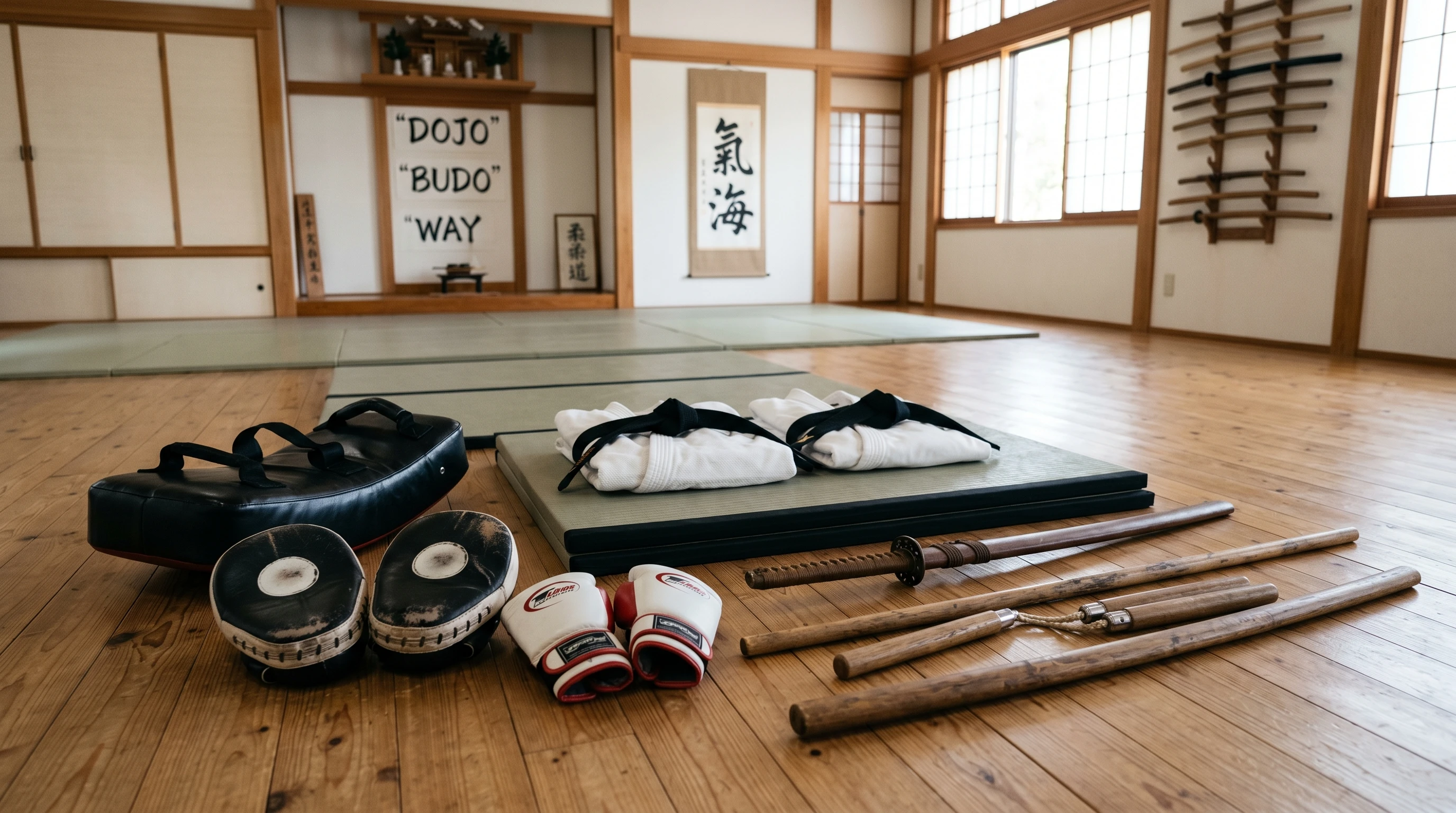
Why Looking at Martial Arts for Everyday Safety Makes Sense
Martial arts classes aren’t just about fighting; they teach everyday skills that go way beyond kicks and punches. With so many different styles out there, from karate and judo to Brazilian jiu jitsu and taekwondo, there’s something that can fit anyone’s personality or physical ability. Learning self-defense doesn’t mean you’re preparing for constant danger. It’s about being ready for unexpected moments, feeling more confident, and keeping yourself and your loved ones safe.
A lot of martial arts focus just as much on awareness as they do on physical technique. Through practice, your reaction time and confidence go up, so you feel less like an easy target. I’ve noticed that just knowing I have basic training tends to make me walk taller wherever I go. That feeling of preparedness alone makes a difference by increasing confidence and presence in public places.
Getting Started with Martial Arts for Personal Safety
Jumping into martial arts can feel a bit intimidating, but you don’t need to aim for black belt status to see the benefits. It’s all about finding a style or club where you feel comfortable and welcome. Most gyms or studios offer beginner classes or short introductory sessions. Here’s a quick breakdown of what you might find in those first lessons:
- Safe Stance and Distance: Understanding how to stand and keep distance is probably the first thing you’ll learn. A balanced stance isn’t just practical, it helps you move quickly if you need to.
- Basic Blocks and Evasion: Most classes start with simple blocking techniques and how to move out of the way if something comes at you. Evasion is often more useful than striking in real life.
- Simple Strikes: Easy and effective moves like a palm strike or a knee to the midsection can make a big difference if you need to get away from someone fast.
- Verbal Defense: Many instructors teach how to use your voice to set boundaries or de-escalate a situation, something I find just as useful as physical skills.
Along with these skills, you can also expect encouragement toward practicing steady breathing, keeping calm, and paying attention to details around you. This mindset quickly starts to carry over into daily life, well beyond the dojo walls.
Fast-Track Steps to Bringing Self-Defense into Everyday Life
Martial arts skills become practical when you work on making them a natural part of your routine. Here’s what I tell friends or beginners to help them weave martial arts into their daily life for safety:
- Find a Local Gym or Online Course: There are in-person schools everywhere, but also loads of solid online programs. Get started wherever you feel most comfortable, even if you want to learn at your own pace from home.
- Learn the Basics and Stick with Them: Focusing on basic stances, blocks, and movement forms the foundation. You don’t need a flashy spinning kick to stay safe. Just staying focused on a few core moves is usually enough.
- Practice Regular Situational Awareness: Many martial arts drills teach you to stay alert to your surroundings. Take this off the mat by paying more attention when you’re walking at night or in a new place. A little extra awareness can give you more confidence wherever you go.
- Build Confidence Through Repetition: Practice your moves until they’re second nature. This really helps if you ever need to use them in a hurry, and consistent practice works wonders for building muscle memory and self-trust.
- Keep Calm Under Pressure: Drills often mimic real-life stress, teaching you to stay level-headed. This mindset can be super important if you ever need to defend yourself or make a quick decision and helps in daily life when stressful situations pop up, not just physical threats.
Consistently mixing martial arts training and practical safety steps makes you more prepared without having to live in fear or paranoia. You’ll also find that these skills transfer to daily life, helping you feel more secure and capable as you go about your routine.
What Makes Martial Arts Useful for Personal Safety?
Some people wonder if martial arts really matter in day-to-day risk situations. I always say it’s not about turning into an action star, but about developing smart habits and practical skills that apply in any environment. Here are a few reasons why martial arts work in the real world:
- Physical Fitness: You’ll get stronger and develop faster reflexes, and this helps you move quickly if you ever need to get out of a tight spot or react suddenly to an unforeseen situation.
- Mental Toughness: Martial arts builds resilience and helps keep a cool head during high-pressure moments. That kind of confidence radiates and can even deter trouble before it starts by making you less appealing to would-be troublemakers.
- De-Escalation Tactics: Most self-defense-based martial arts emphasize using your voice, body language, and awareness to avoid physical conflict in the first place, focusing on prevention rather than confrontation.
- Escape Skills: You’re taught practical moves to break free from common holds or grabs, like wrist releases, that work well for adults and kids. These skills are simple and often effective without needing brute strength.
Physical Fitness
Most martial arts workouts focus on strength, balance, and endurance. Even just a few months of casual classes can make you feel lighter on your feet. Moving with confidence often makes you less of a target, and better balance helps you avoid slips or handle a surprise grab. Basic fitness doesn’t mean you need to run marathons or bench press double your weight. Just being comfortable moving your own body can protect you from a lot of everyday risks and make you more resilient if you ever need to defend yourself.
Mental Toughness
Handling nerves, staying focused, and reacting fast are all built through martial arts training. One big thing I picked up is how to breathe and stay calm even if things seem stressful or scary. That comes in handy in more situations than you might expect, from crowded commutes to walking in a new neighborhood after dark, or even handling tense conversations at work or school.
De-Escalation Tactics
Learning to keep confrontation from turning physical is a big part of many self-defense programs. Setting boundaries, projecting confidence, and, if needed, using a loud, clear voice to deter someone are all skills you’ll practice in martial arts. In my experience, feeling confident enough to stand your ground or walk away is just as valuable as knowing how to block a punch. Sometimes the most powerful defense is having the ability to defuse a situation before it gets out of hand.
Escape Skills
The goal isn’t to go on the attack unless you absolutely need to. Breaking out of simple holds, like wrist grabs or being held from behind, are actually quick to learn and super helpful, especially for smaller adults or teens. These techniques are about getting you to safety and do not depend on size or physical power, making martial arts accessible to nearly everyone.
Cool Features of Different Martial Arts Styles
Every martial art brings its own set of tools to the table. Some focus on strikes, others on locks or throws, and some emphasize flexibility or awareness. Here’s a quick look at a few styles and what makes them useful for self-defense in everyday scenarios:
- Karate or Taekwondo: Focuses on powerful, simple strikes you can use to create space or stun an attacker long enough to escape.
- Brazilian Jiu Jitsu (BJJ): Centers on grappling and ground defense, great for situations where you end up on the ground or need to get out of someone’s grip.
- Krav Maga: Known for its straightforward self-defense techniques. Classes often include scenariobased drills relevant to modern, real-world situations.
- Aikido: Emphasizes using an attacker’s energy against them, which helps if you’re not the biggest or strongest person in the room.
I always recommend checking with a few different clubs or watching a sample class online. It’s about what feels right for your body and comfort level. Take your time to check out different instructors, too—a good fit can make all the difference in how much you enjoy the training and how effectively you learn.
Frequently Asked Questions
Here are some questions I often get from people thinking about using martial arts for personal safety:
Question: Is martial arts training effective even if I’m not athletic?
Answer: Absolutely! Most beginner classes are tailored for anyone, regardless of fitness. Many schools focus on practical skills and progress at a pace that fits you. You’ll build up strength and coordination over time, and everyone can start somewhere—no athletic background needed.
Question: Will learning martial arts make me paranoid or aggressive?
Answer: Most people find that it actually has the opposite effect; they feel more relaxed and less anxious because they’re prepared. The focus is about awareness and prevention, not picking fights. Being ready helps you feel calmer, rather than jumpy or confrontational.
Question: How long does it take to pick up useful self-defense skills?
Answer: You don’t need years of training. After just a few weeks of focused classes, you’ll know basic moves and simple escapes that are really helpful if you ever need them. Consistency matters more than intensity; practicing often, even in small amounts, helps a great deal.
Putting What You’ve Learned into Practice
Taking up martial arts for personal safety is all about building confidence and readiness. You get a stronger body, a quicker mind, and practical techniques that work even if you only train a little. Whether you stick with group classes, do online lessons, or just practice drills with a friend, the benefits go way beyond self-defense. Everyone seems to walk a bit taller when they know they can rely on their own skills, and that’s a feeling worth chasing. As you keep at it, you’ll likely see positive effects not just in your safety, but also in your overall mood and daily adventures.